
 WAZE
WAZE
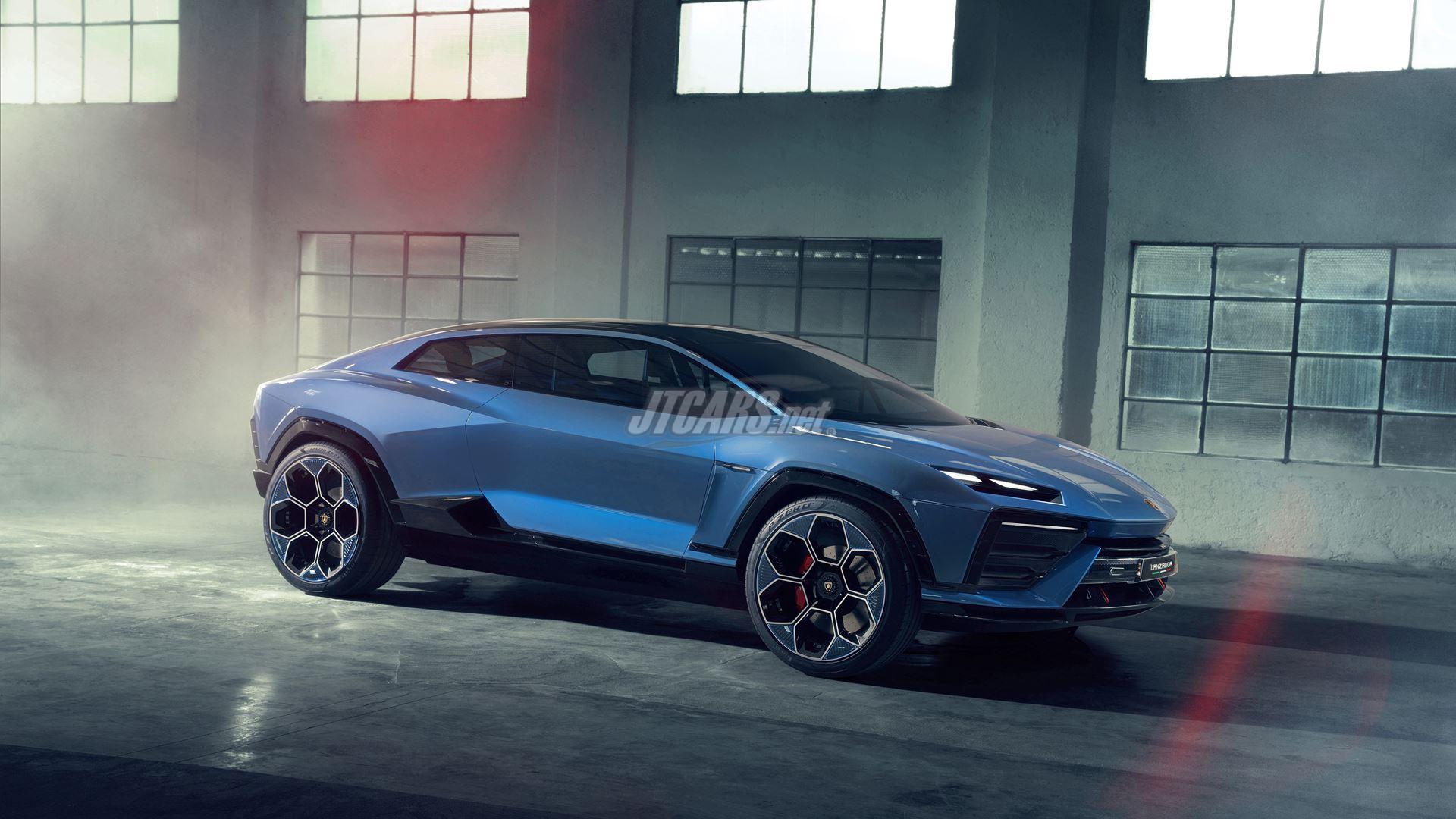
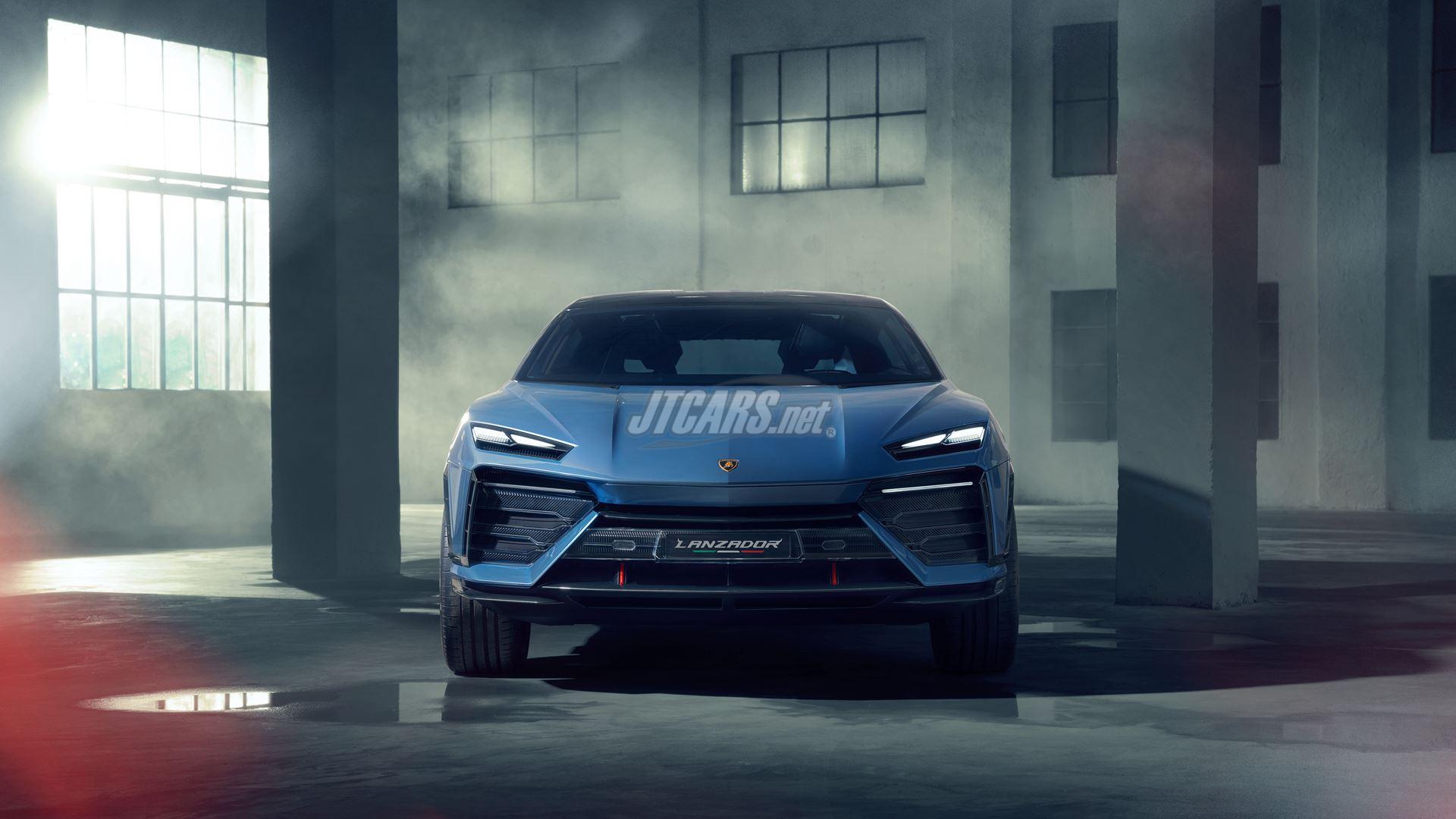
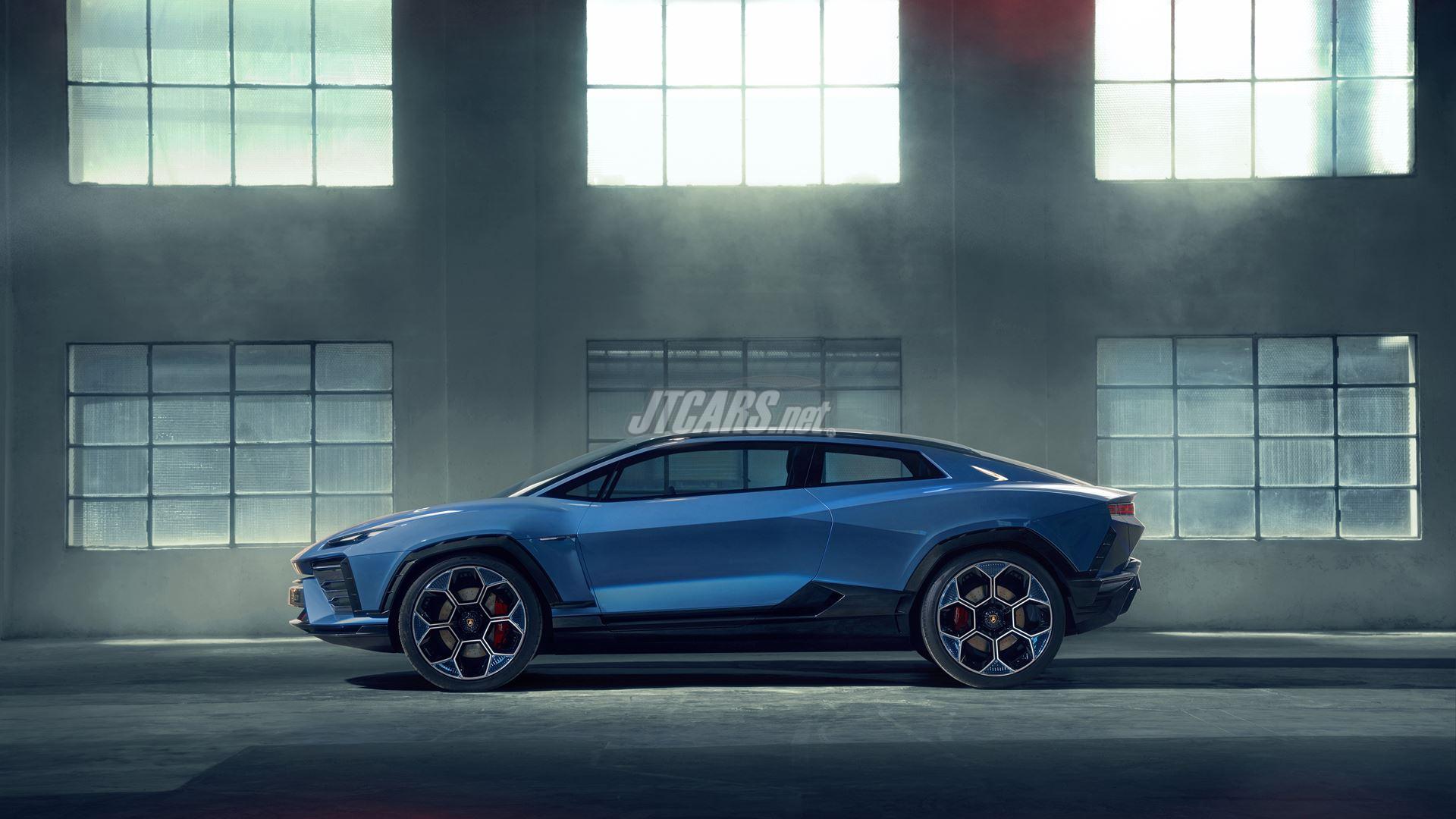


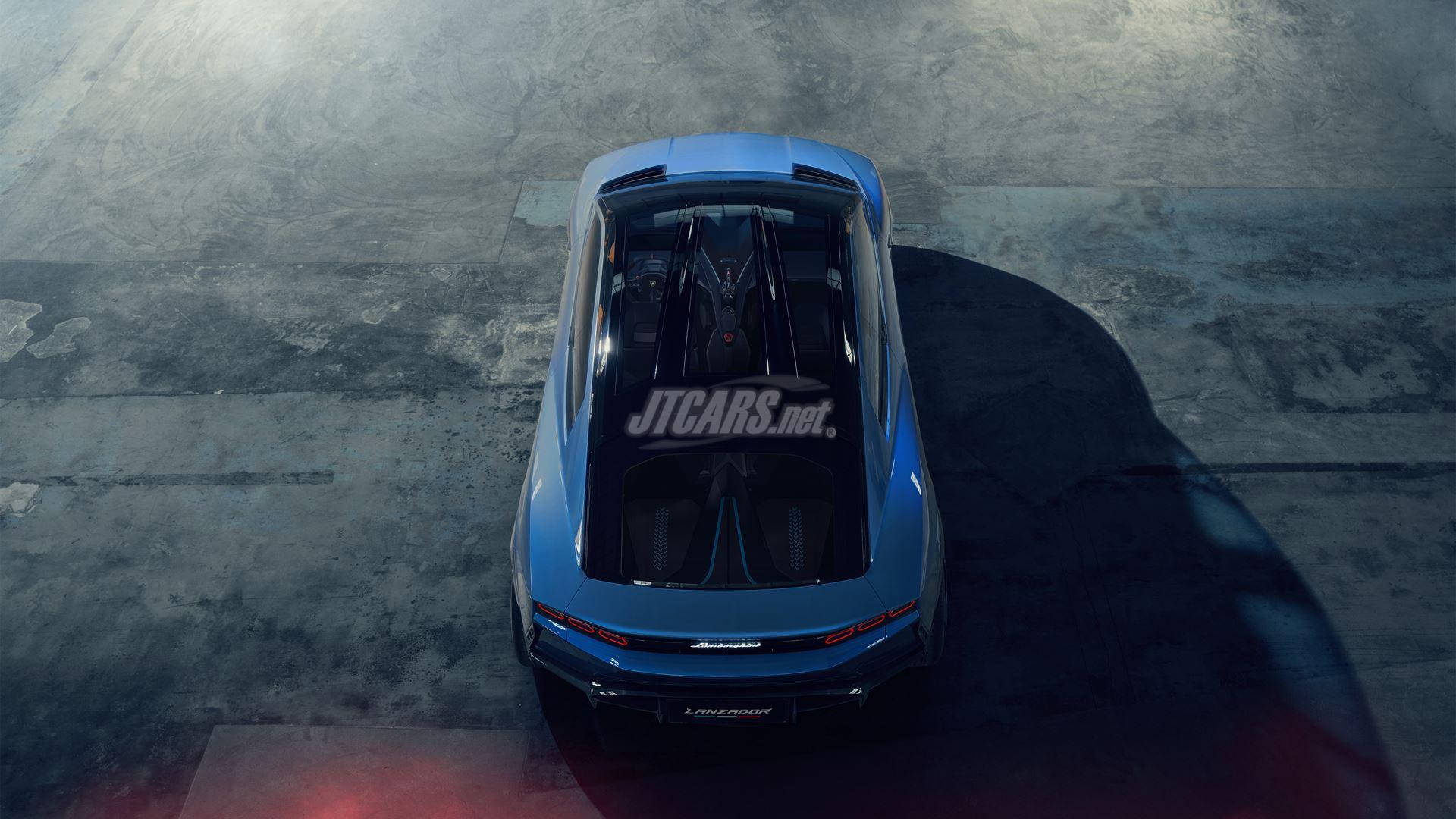

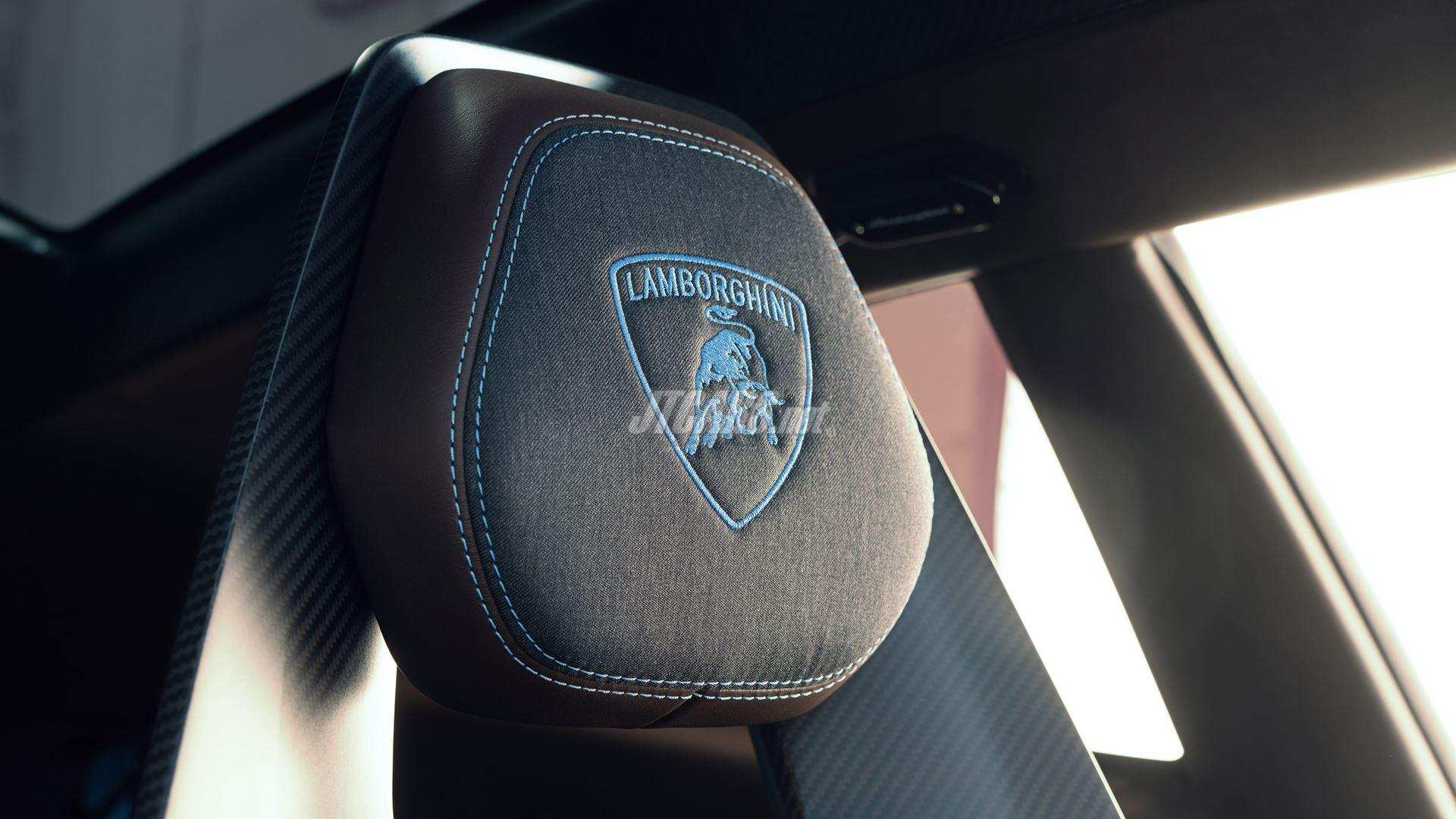
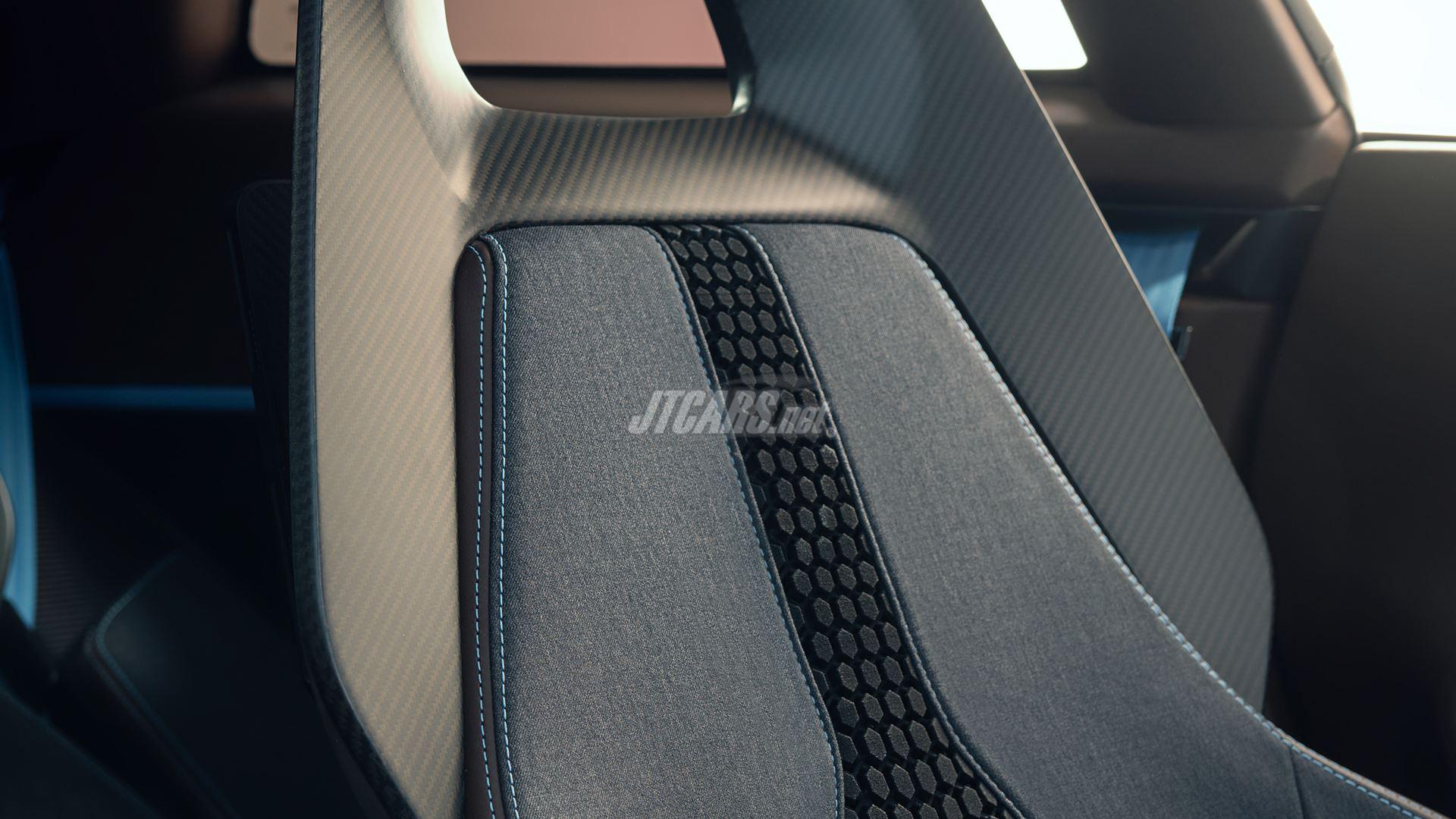
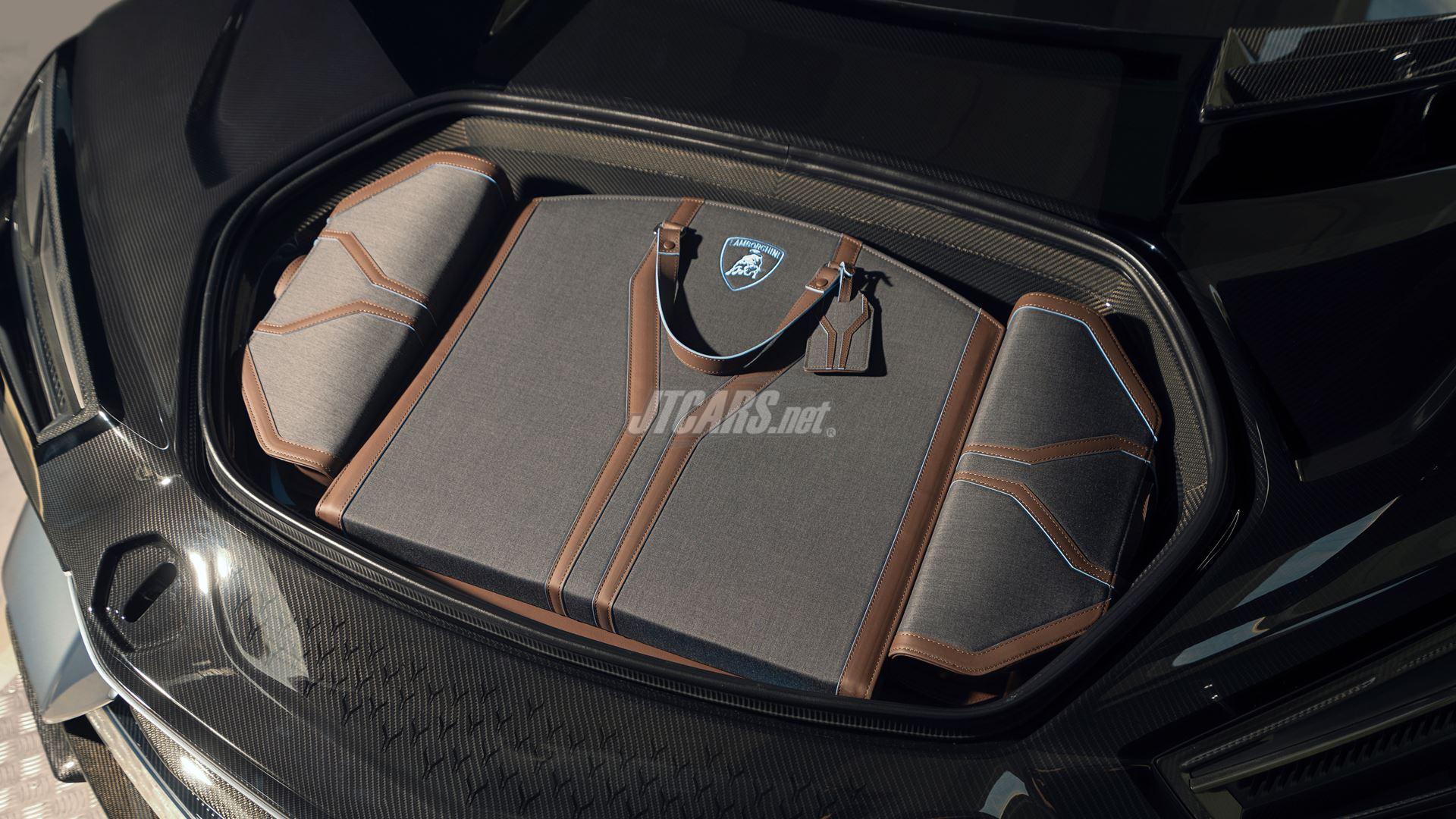


















Automobili Lamborghini presents a preview of the future electric car at Monterey Car Week
Sant’Agata Bolognese/Monterey, 18 August 2023 – Lamborghini unveils Lanzador concept at Monterey Car Week, a concrete vision of a future purely-electric fourth series production Lamborghini. The Lanzador concept car introduces a high ground-clearance GT with 2+2 seats, featuring clear, purist and technical forms, with a brand-new concept in terms of performance and unprecedented on-board experience, staying true to Lamborghini’s unmistakable DNA and offering best-in-class sportiveness and fun-to-drive character.
The concept car fits in with the Italian super sports company's "Direzione Cor Tauri" strategy and its roadmap towards decarbonization and electrification announced in 2021: following presentation of the V12 plug-in hybrid Revuelto[1], the Lanzador gives an insight into the series model to be built from 2028. "With the fourth model concept, we are opening a new car segment: the Ultra GT. This will offer customers a new, unparalleled Lamborghini driving experience thanks to pioneering technologies," said Stephan Winkelmann, Chairman and CEO of Automobili Lamborghini.
The concept car combines the inherent performance of a Lamborghini super sports car with an enhanced fun-to-drive personality, plus the versatility of a car that is drivable daily: the Lanzador creates an original driving experience for a rising cluster of ‘tech forerunner’ customers.
Automobili Lamborghini committed more than two years ago to presenting a high-performance, electrified Lamborghini within this decade that remains true to the heart and soul of the brand. The all-electric concept car is a Gran Turismo with a surprising body style, entirely new proportions and unparalleled on-board experience via new infotainment features, and a pure design combining ultra high-performance elements of the Revuelto super sports car and the animated versatility of an Urus[2].
"With Lanzador we are looking into our future without forgetting our DNA. The first coupés from Lamborghini with their front engines were sporty, elegant Gran Turismos suitable for everyday use as 2+2-seaters. The concept for our fourth production model leverages our philosophy of super sportiness combined with brave new technologies and fearless design, perfectly fitting into our Direzione Cor Tauri strategy,” explains Stephan Winkelmann.
Three factors and control systems are crucial to the concept car and future Lamborghini vehicles:
1. Driving Dynamics Control
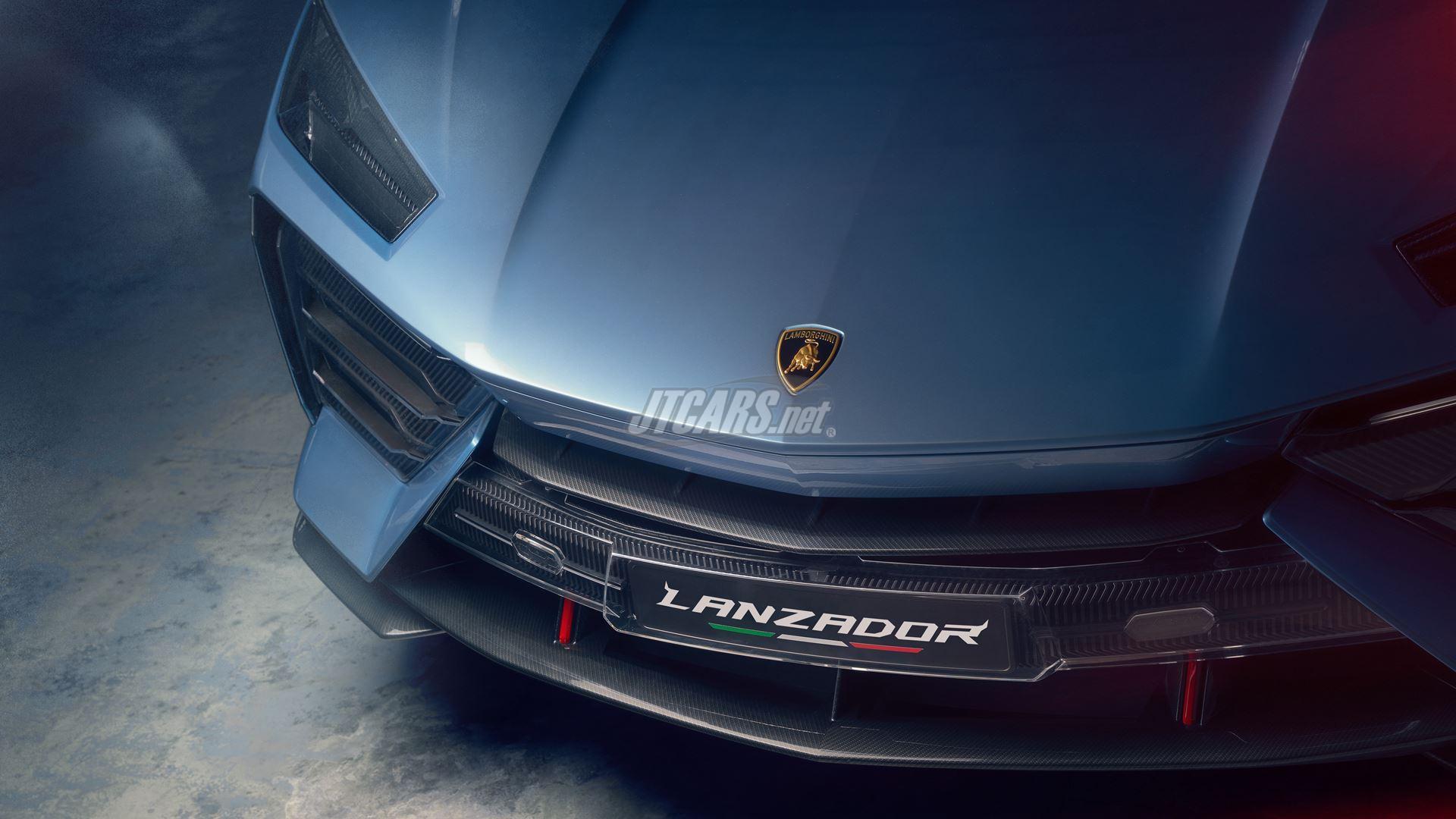
The newly-developed Lamborghini Dinamica Veicolo Integrata (LDVI) driving dynamics control system sets a new benchmark for Lamborghini in both the concept car and future production vehicles. Significantly more sensors and actuators will be integrated into the LDVI in the future to create even finer and more precise driving behavior, with crucial innovation not just in the hardware, but also in the control algorithm that manages the components: the more sensors and data fed to the control system, the more refined the algorithm is in delivering the nuances of driving sensations and feedback. This allows the driving character to be more precisely differentiated to the individual driver than ever before: information delivered back to the driver by intelligent sensors positioned behind the new “pilot’s” glass panels mounted at the front of the car, giving a taste of future radar technology.
2. Active Aerodynamics
Active aerodynamics play an even greater role in battery electric vehicles than in super sports cars: active aerodynamics can increase the range per battery charge while also improving performance. Precise downforce for higher cornering speeds and the lowest possible air resistance at top speed can be variably adjusted on the Lanzador, for the best performance in each case. Lamborghini’s future philosophy “Vision of Smart Aerodynamics” is highlighted in the concept car, with the aim of adapting Aero to each driving situation to be consistent with driver requests and range needs.
3. Active Suspension
Thanks to an active chassis including a steerable rear axle and air suspension, the Lanzador optimally tunes itself to every road situation or follows the previously defined setting of the driver's style, quickly and directly adjustable during the journey via the controls on the steering wheel.
Torque Distribution
A key advantage of electric sports cars with two motors is the precise torque distribution for enhanced driving dynamics. In the Lamborghini concept, the control element calculates the necessary or desired torque for each axle individually within milliseconds, with the two motors differentiating and serving the left and right sides on the rear axle.
Wheelspeed Control
With Wheelspeed Control, Lamborghini very finely regulates power and force at the individual wheels for even more precise turn-in, and direct as well as fast driving on particularly winding roads and with strong acceleration.
"The combination of these systems raises the driving behavior of the concept car to a new level compared to a super sports car with a combustion engine: it is an electric, super-intelligent Ultra GT," says Rouven Mohr. “With the newly-developed and highly-integrated driving modes, including active controls, Lamborghini increases driving pleasure and performance, and enhances safety and feedback to the pilot.
"I am sure that with the concept car and the technology it contains, we will convince loyal, but also tech-forerunner clients, that the new generation of Lamborghini vehicles will open a new chapter in terms of technology, performance, digitalization and driving dynamics," explains Rouven Mohr.
Design – Expect the Unexpected
Lamborghini is synonymous with unique and absolutely recognisable design DNA, taking the iconic single line silhouette and translating it into a visionary and forward-looking approach.
With the Lanzador Lamborghini looks into the future. The concept car describes new proportions and represents a new car segment: the Ultra GT, seen not only in the exterior but in the interior’s innovations, offering a new Lamborghini experience in terms of space and roominess.
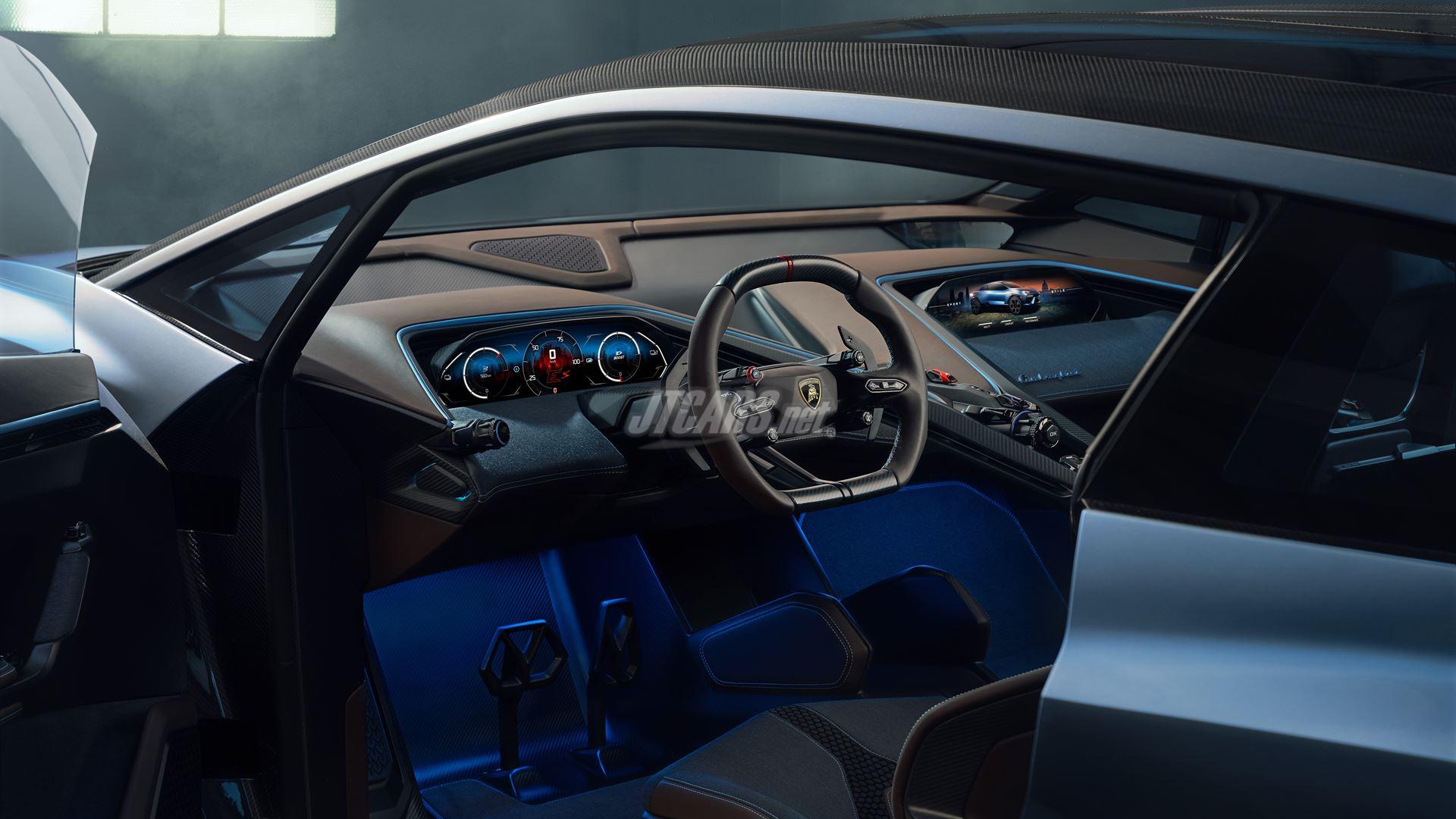
The design of the GT concept car is inspired by spaceships. Mitja Borkert, Head of Design Lamborghini, describes the start point of the design process from the volumes of a super sports car, but taking it onwards to create a true pilot’s driving position, inspired also by the Huracán Sterrato[3].
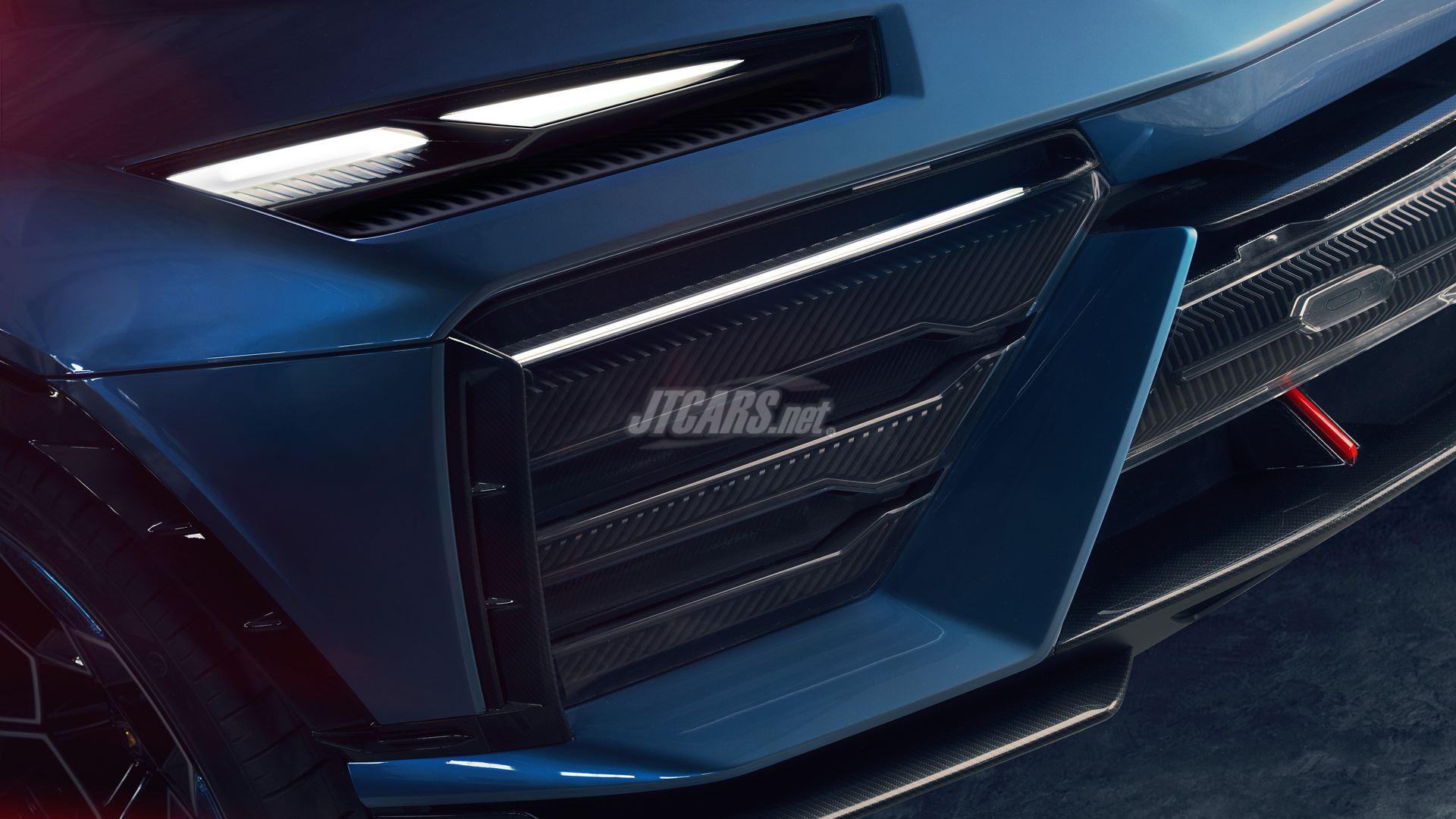
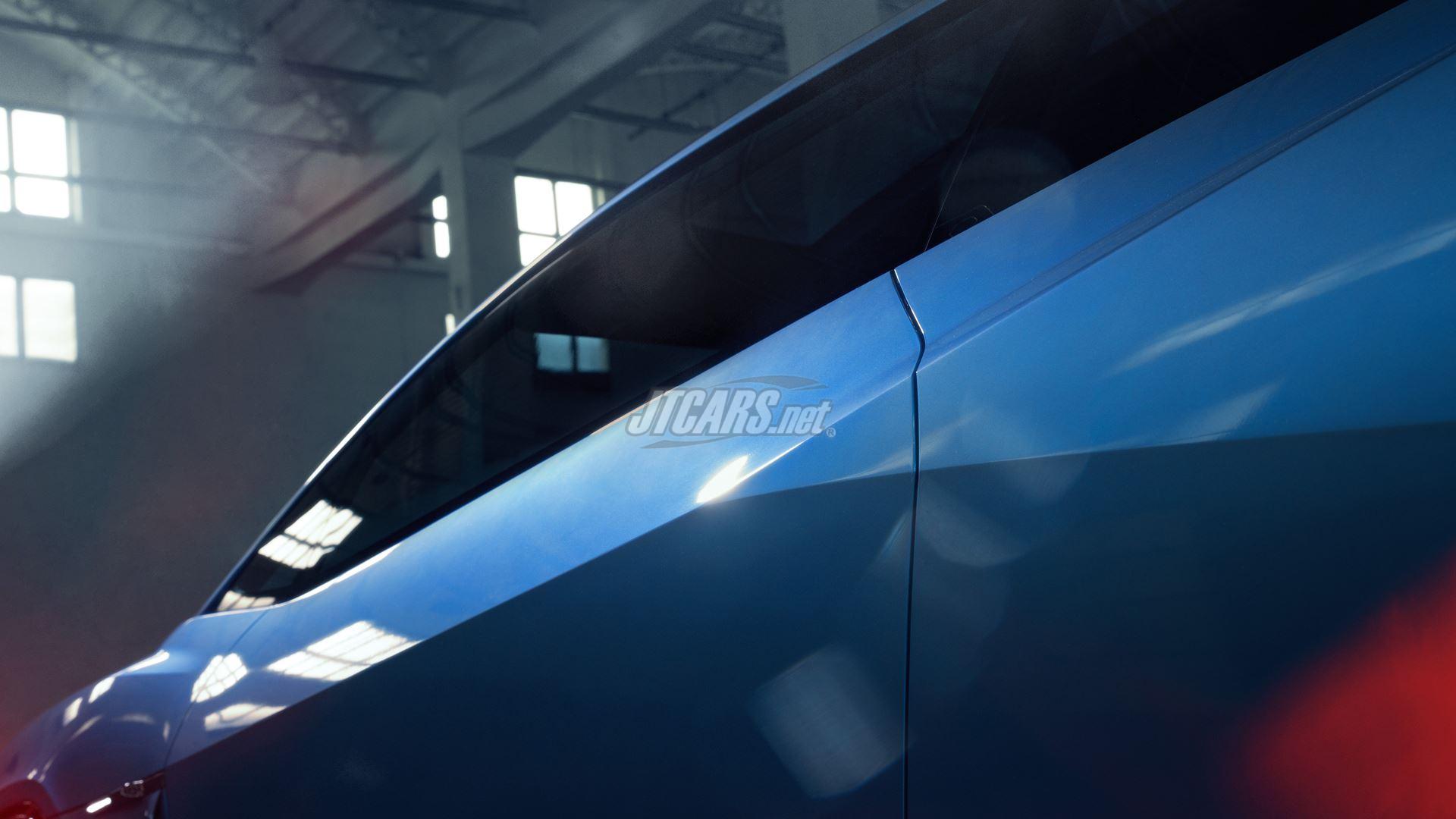
The exterior design is brave and unexpected: the taut, clean lines are authentically Lamborghini and full of tension, inspired by legendary Lamborghini models including the Sesto Elemento, Murciélago and Countach LPI 800-4. The side view takes the single silhouette line of Lamborghini in combination with a unique architecture developed for the concept car, with the typical inclination of the cabin seen clearly from both front and rear. At the same time, the design of the car’s lower part is shaped by the smart aerodynamic approach, integrating state of the art movable, yet integrated, components, as found in Lamborghini super sports cars. With a roof height of around 1.5 metres, the electrified Grand Turismo sits powerfully low on the road, impressing with its incomparably low proportions created by the forward look of the cabin and the sharp lines featured throughout its dynamic body.
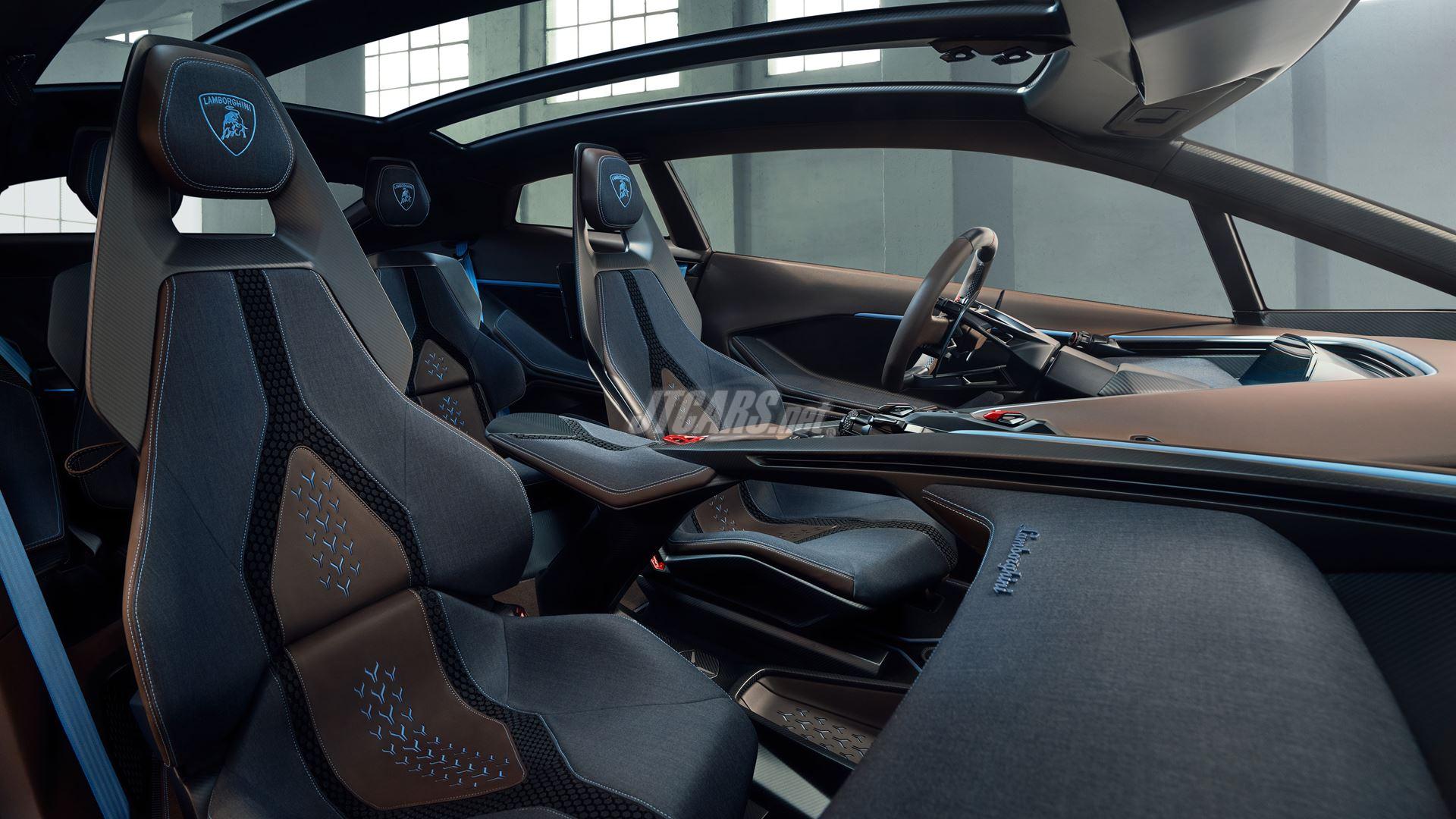
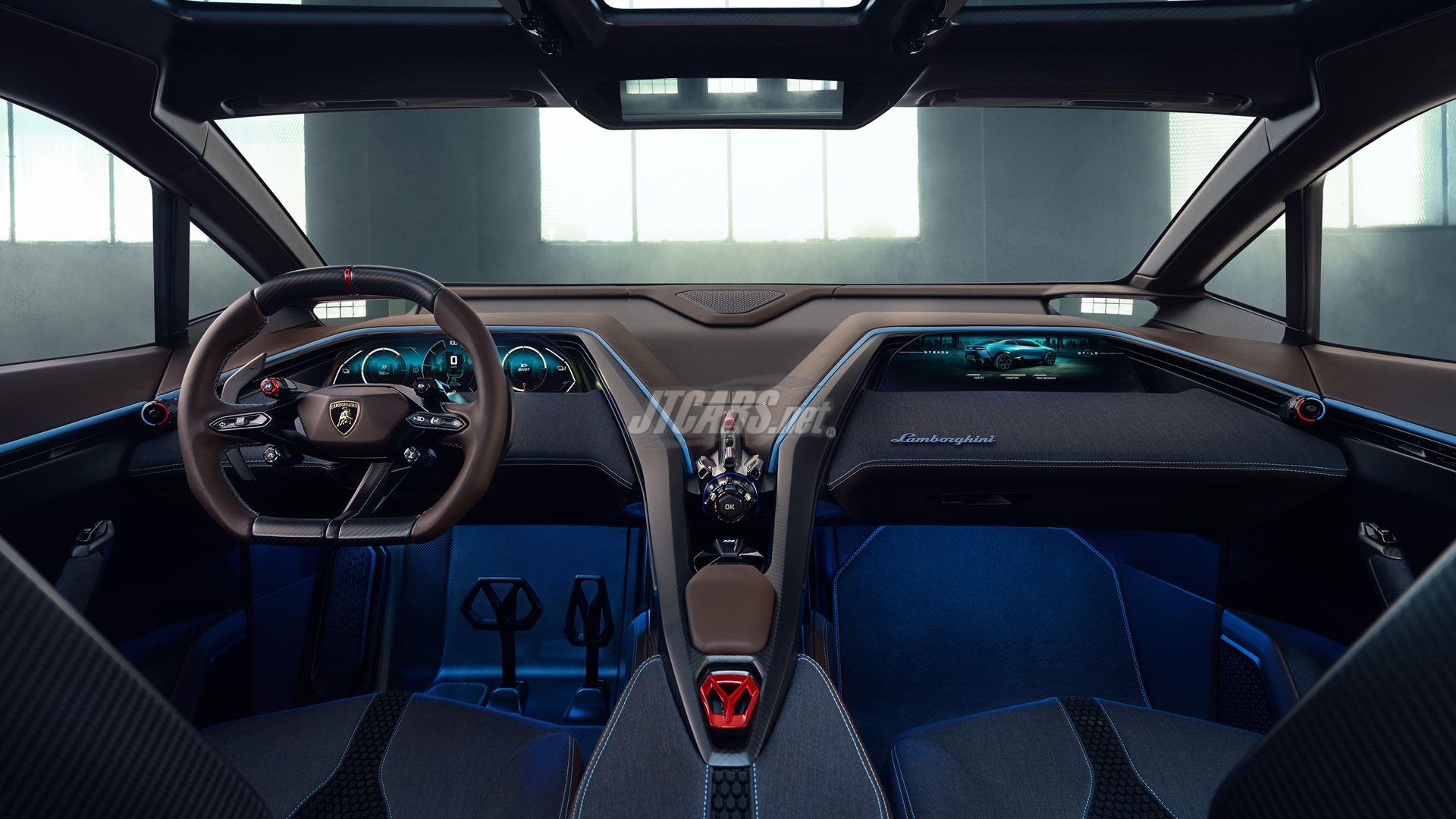
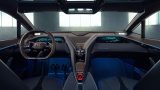
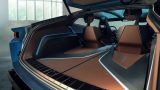
The interior layout strictly follows the ‘feel like a pilot’ design philosophy of Lamborghini, combined with the spaceship idea: it takes the idea of a 2+2 GT but moves that a step forward, creating a 2+2 lifestyle concept where the rear space of the cabin can also be used for carrying all sorts of sports equipment or luggage.
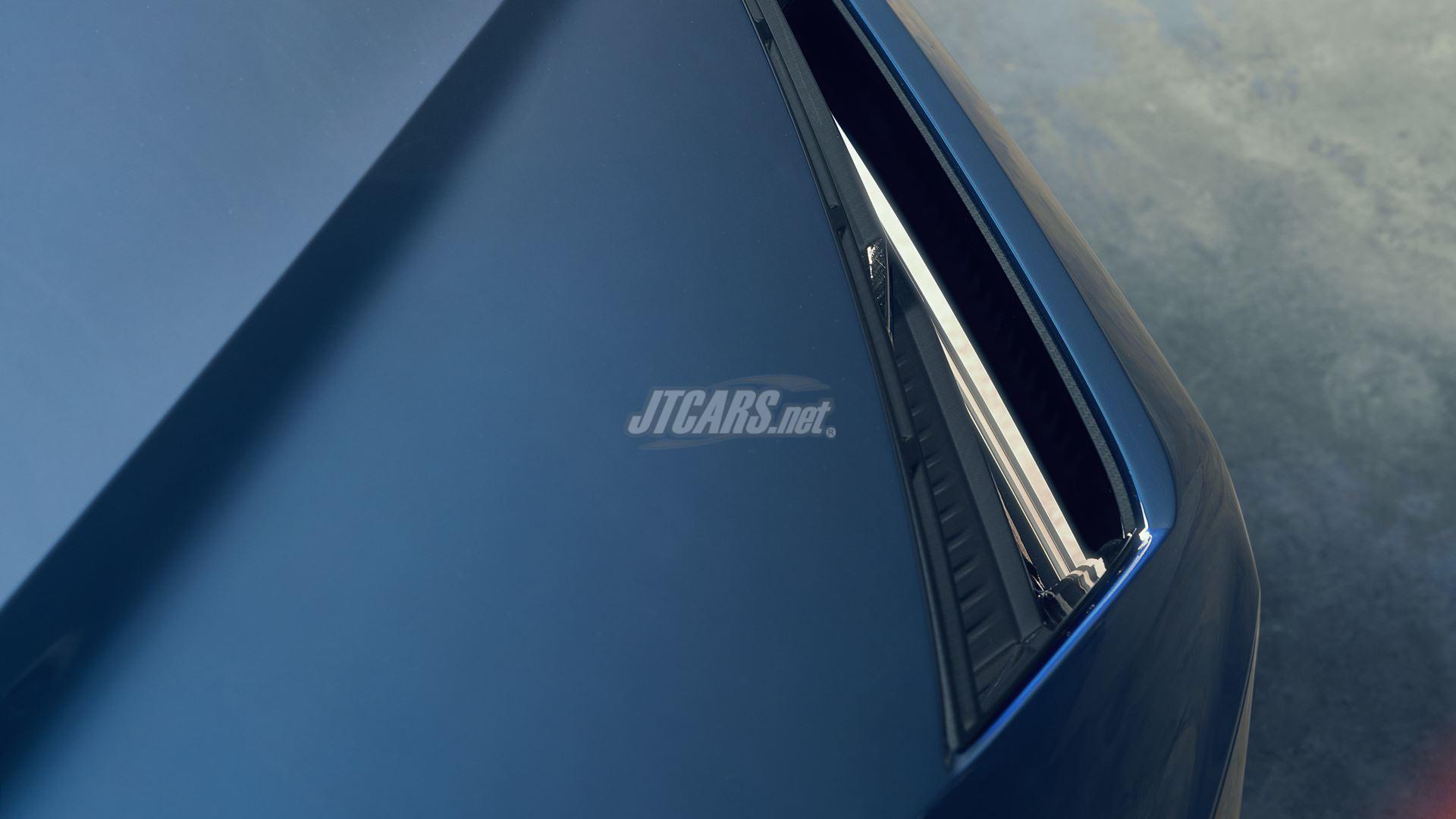
The futuristic concept car’s detailing is sophisticated and reflecting its unique character: the slim headlights take inspiration from the Countach LPI 800-4, while the hexagonal-shaped taillights include the characterful light signature with three LED elements on each side. The typical stylistic elements such as the Y and the hexagon, which have characterized Lamborghini's design from the very beginning, can be found throughout the car including the rear lights and in the interior.
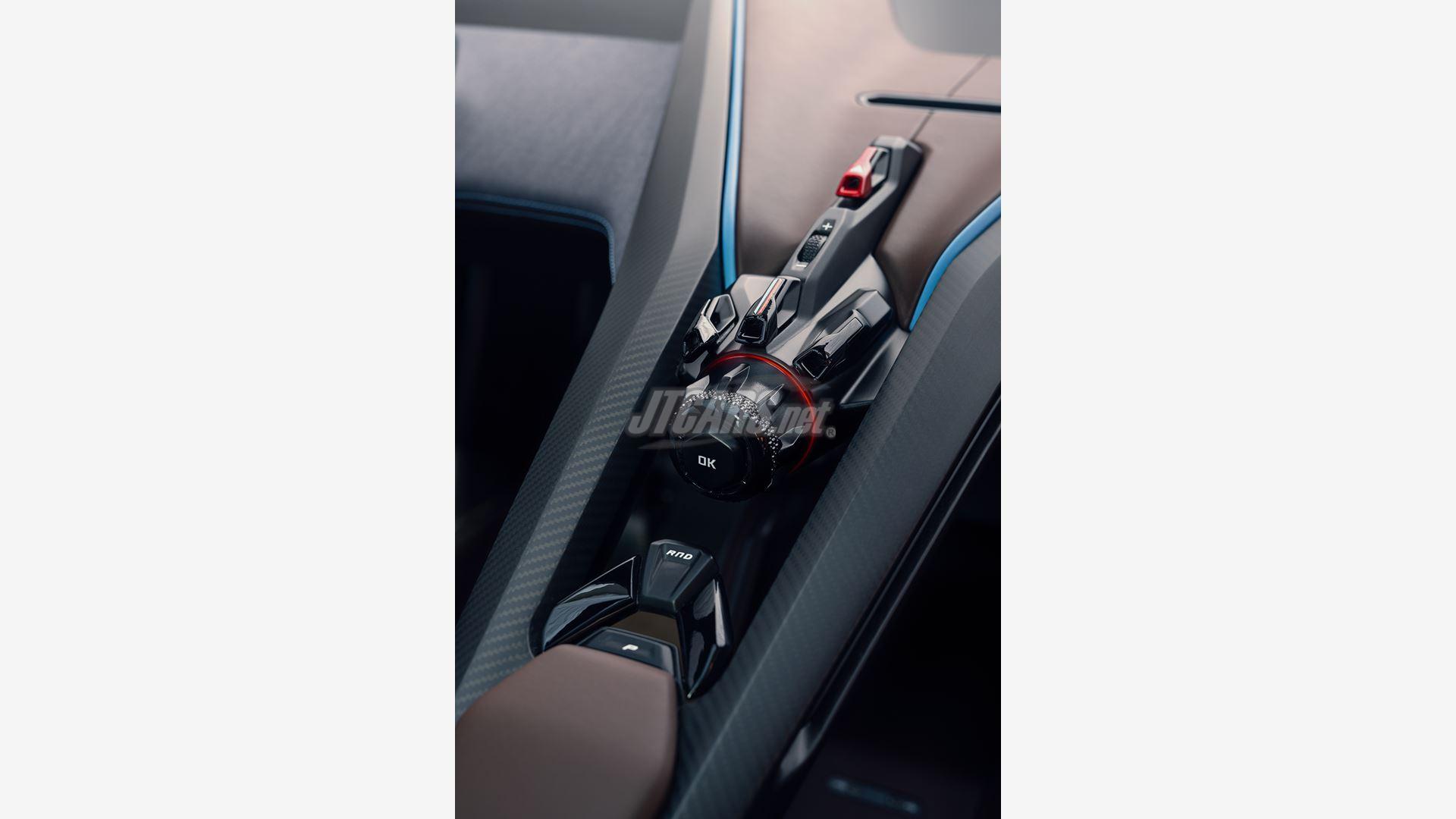
The pilot and co-pilot sit low within the cabin as if in a jet, separated by a centerconsole that visually flows into the dashboard. Positioned within the center console and ergonomically positioned perfectly within the driver’s reach, is a pilot’s unit for control of the entertainment system, climate control and new digital functions. Passengers receive information via the automatically retractable displays. Using the Lamborghini ANIMA control, the driver switches between the different driving modes, including Efficiency and Performance for the best possible driving dynamics.
The concept car is painted in a liquid color especially designed and developed for the Monterey Car Week presentation: a fresh and modern color named Azzurro Abissale.
Sustainably tanned leather
Sustainable leather is leather that is tanned with special water in a particularly environmentally friendly way. The water comes from olive oil production and has to be treated in waste water treatment plants due to its high acidity and antimicrobial and phytotoxic effect. However, this residual water from olive oil production can also be reused by chemical manufacturers to produce tanning agents: the tanning process shares a “Made in Italy” synergy with the production of Italian olive oil.
Lamborghini's "Direzione Cor Tauri" decarbonization roadmap
Lamborghini has been focusing on sustainable production and the reduction of CO2 for years. Since 2015, the Sant'Agata Bolognese site with its 182,000 m2 of space has been operating as a certified CO2-neutral company. With the decarbonization roadmap "Direzione Cor Tauri" presented in October 2021, the company has committed to at least halving its CO2 emissions from 2025.
[1] The vehicle is not yet offered for sale and is therefore not subject to Directive 1999/94/EC. The fuel consumption and emissions data are in the type of approval stage.
[2] Fuel consumption and emission values of all Urus models; Fuel consumption combined: 14,1-12,7 l/100km (WLTP); CO2-emissions combined: 325-320 g/km (WLTP)
[3] Fuel consumption and emission values of Huracán Sterrato; Fuel consumption combined: 14,9 l/100km (WLTP); CO2-emissions combined: 337 g/km (WLTP)
TAGS