
 WAZE
WAZE

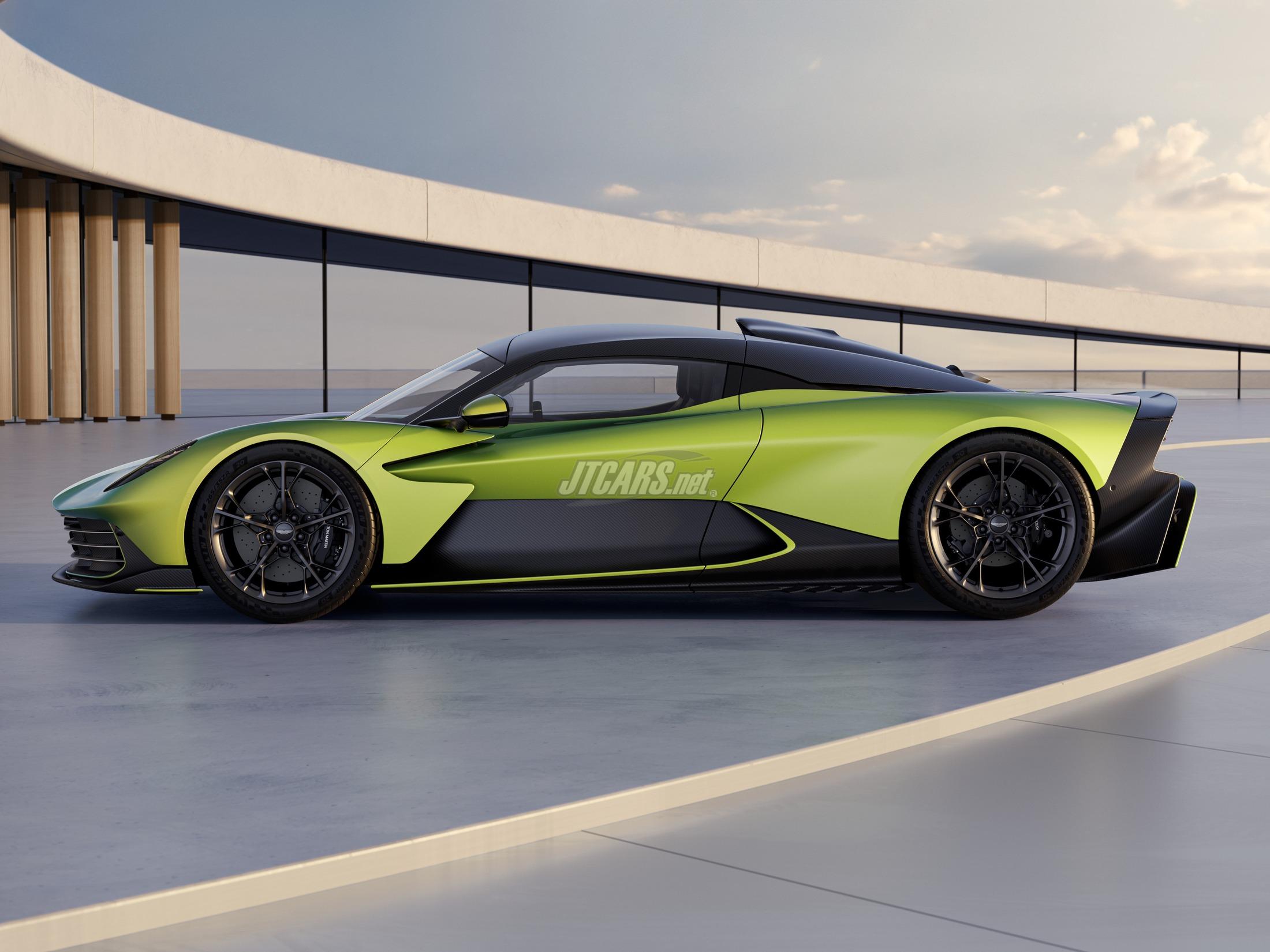
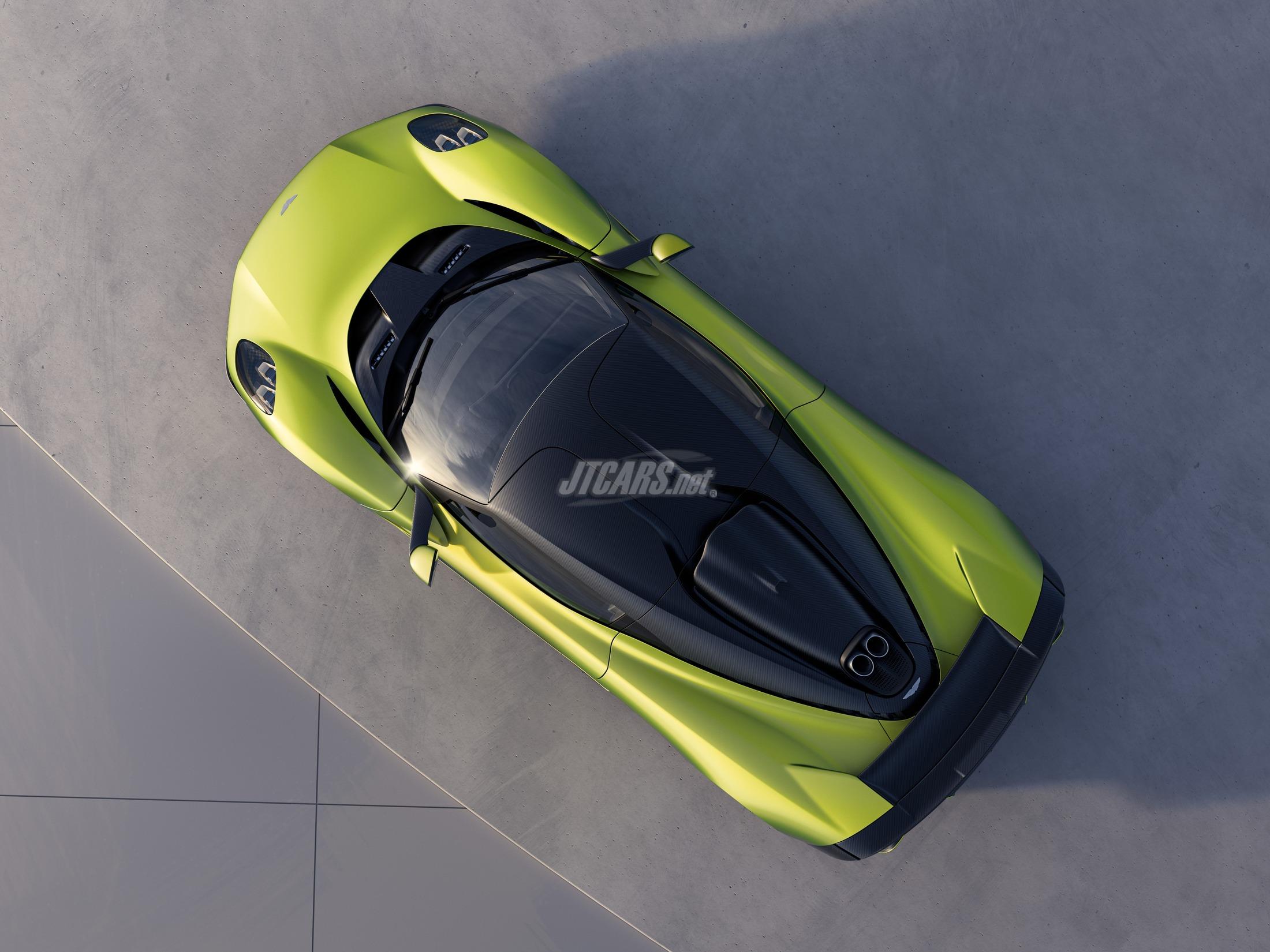

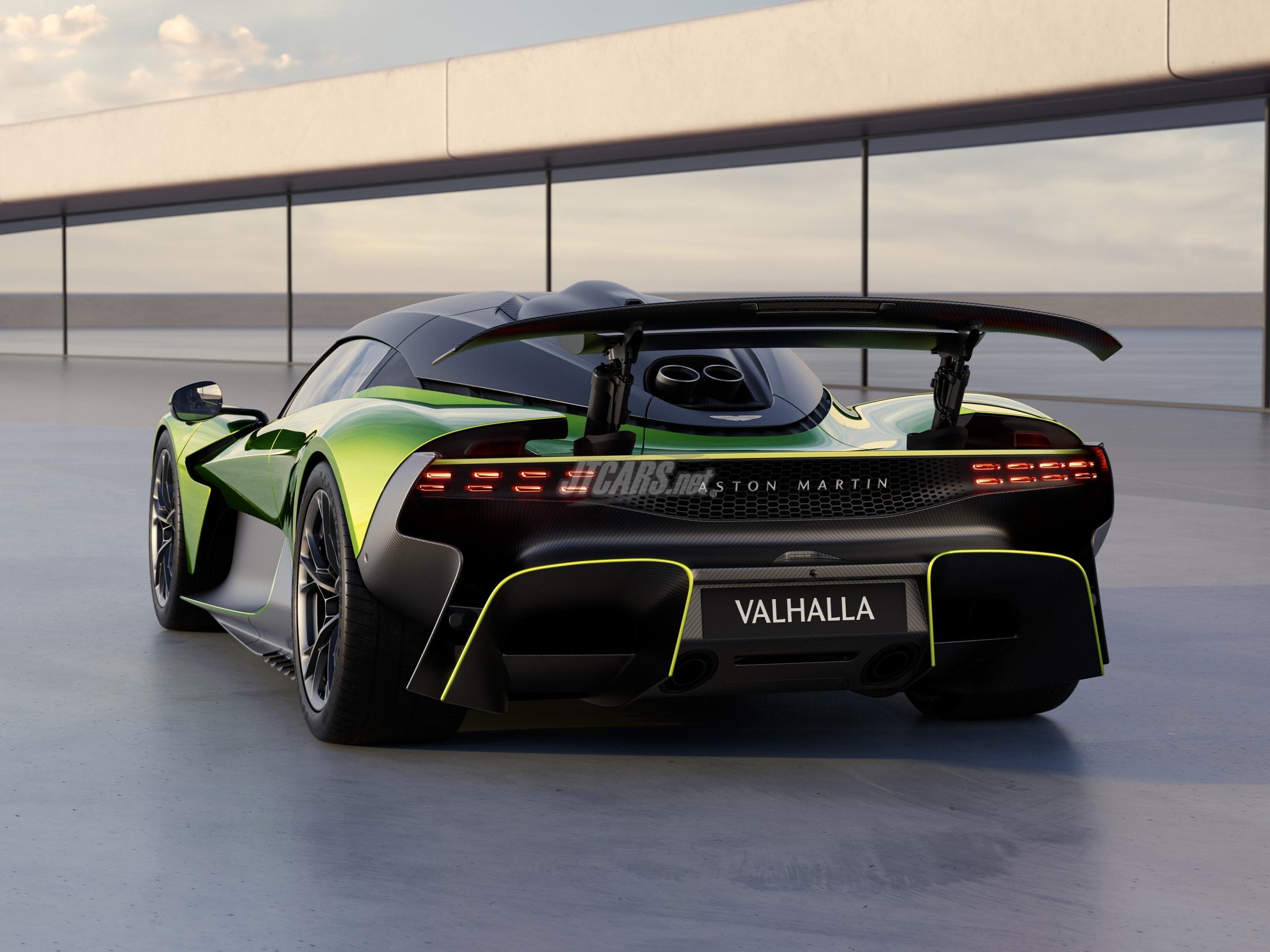
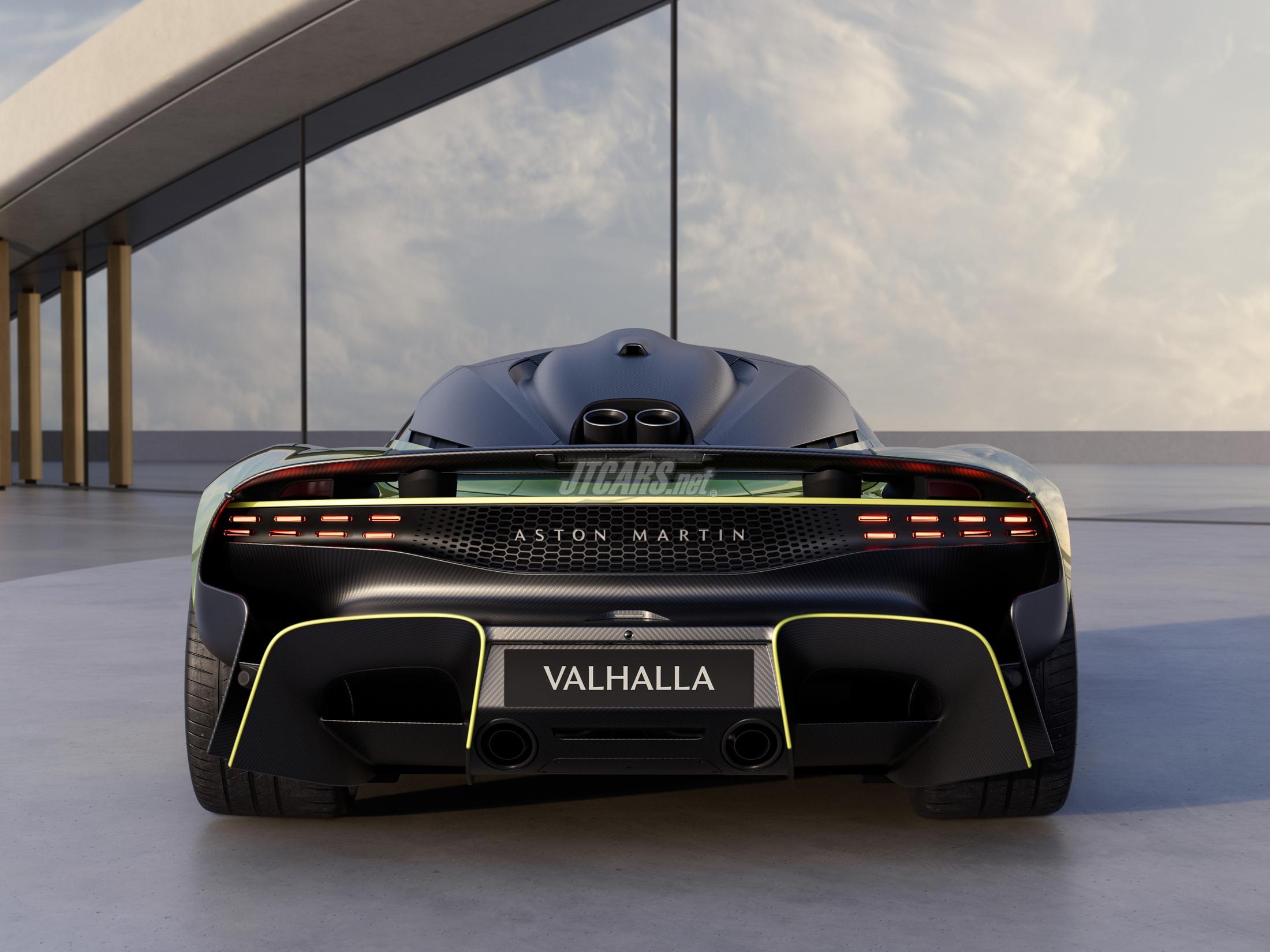
































>> Valhalla delivers sector defining combination of road and track capability
>> 1079PS / 1100Nm PHEV powertrain combines bespoke 828PS flat plane crank 4.0-litre twin-turbo V8 engine with three E-motors delivering a further 251PS
>> Capable of an electronically limited maximum speed of 350km/h (217mph) and 0-100km/h (62mph) in 2.5 seconds
>> Twin front axle E-motors facilitate Torque Vectoring, reverse, torque fill and EV-only drive mode, along with regenerative braking
>> All-new hybridised 8-speed Dual Clutch Transmission equipped with highly responsive hydraulically actuated Electronic Rear Differential
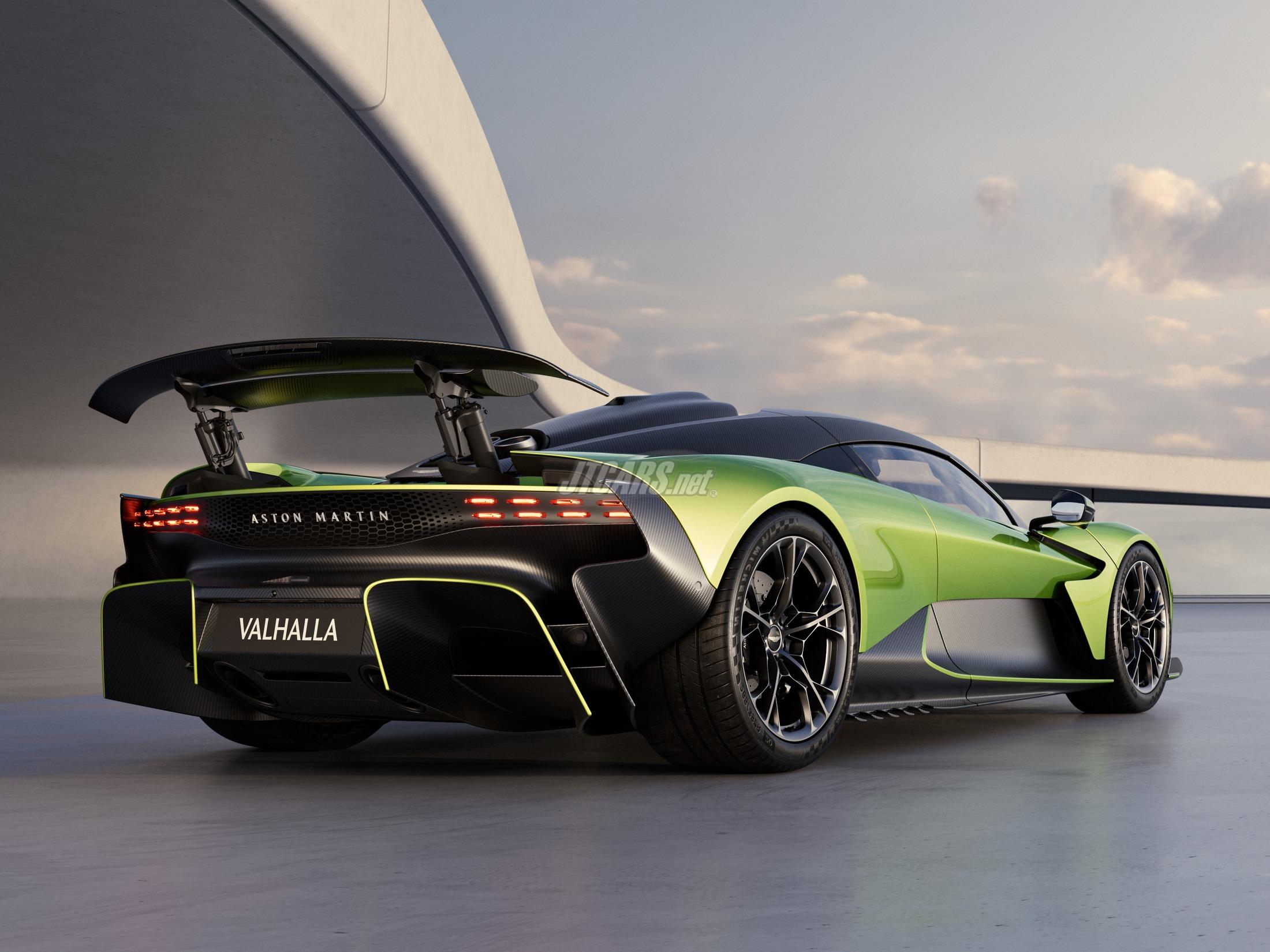
>> Active Aerodynamics achieve and maintain in excess of 600kg of downforce from 240km/h to 350km/h. System also features DRS and Air Brake functions
>> Valhalla has benefited from working directly with Aston Martin Performance Technologies (AMPT) in the key areas of dynamics, aerodynamics and materials
>> Production due to start in Q2 2025. Limited to 999 units.
11 December 2024, Gaydon, Warwickshire: Fusing the performance-driven methodologies and technologies of Formula 1® with spectacular design and scintillating driving dynamics, Valhalla is a supercar of extraordinary scope. With development now at an advanced stage the time has come to reveal full details of Aston Martin’s landmark mid-engined hybrid supercar.
The Valhalla is Aston Martin’s first series-production mid-engine supercar, first plug-in hybrid, and first production vehicle with dedicated EV range. It features a bespoke 4.0-liter twin-turbo flat-plane crank V8—the most powerful V8 in Aston Martin history—and debuts the brand-new 8-speed Dual Clutch Transmission (DCT) with an integrated e-Motor and electronic rear differential (E-diff).
Valhalla introduces a new design language, blending Aston Martin's hallmark clean lines with advanced high-downforce active aerodynamics. Close collaboration with Aston Martin Performance Technologies (AMPT), tied to their Formula 1® team, has elevated the car's dynamics, aerodynamics, and materials, pushing the limits of supercar performance for both road and track.
TECHINCAL OVERVIEW
Valhalla’s hybrid powertrain delivers 1079PS and 1100Nm of torque, featuring a 828PS 4.0-liter V8 engine and three electric motors. This enables 0-100km/h in 2.5 seconds and a top speed of 350km/h. Active aerodynamics provide over 600kg of downforce, adjusting dynamically to maintain balance at high speeds.
The Integrated Vehicle Dynamics Control system tailors suspension, braking, and powertrain for optimal performance. Four drive modes—Pure EV, Sport, Sport+, and Race—allow for customized driving experiences. In Race mode, the active rear and front wings adjust for maximum downforce and stability, enhancing performance and braking.
POWERTRAIN
Valhalla’s hybrid powertrain combines an 828PS 4.0-liter twin-turbo V8 engine and three electric motors, delivering a total output of 1079PS. Two electric motors drive the front axle with a third integrated into the new 8-speed DCT transmission, which powers the rear axle. The high-performance battery (HPB) system, cooled with non-conductive fluid, ensures optimal performance and fast energy deployment.
The front axle’s Radial Flux E-motors enable torque vectoring, while the V8 engine and electric motor work seamlessly to provide responsive power. The 8-speed DCT transmission, featuring Torque-Fill and E-Boost, enhances performance and efficiency, with the electric motors supporting the engine to eliminate turbo lag.
For dynamic handling, Valhalla’s IVC system and E-diff adjust torque distribution across all wheels. Advanced cooling systems manage heat across the powertrain, ensuring maximum performance, while brake regeneration and Loadshift functions optimize energy use.
CHASSIS & BRAKES
The text provides a detailed technical overview of the Aston Martin Valhalla's structural design, suspension, braking system, and regenerative braking technology, highlighting its integration of Formula 1-inspired innovations and cutting-edge engineering. Here’s a structured summary:
Core Structure
- Carbon Fibre Tub: Bespoke and ultra-lightweight, weighing 74.2kg, providing stiffness and safety.
- Manufacturing: Uses Resin-Transfer-Moulding (RTM) and F1-derived autoclave technology for creating the Carbon Monocoque, ensuring high strength and lightweight properties.
- Mass and Efficiency: Dry weight of 1655kg and a power-to-weight ratio of 652PS per 1000kg.
Suspension System
- Front Suspension: Features F1-style push rod suspension with inboard-mounted dampers to enhance aerodynamics and accommodate electric motors and radiator systems.
- Rear Suspension: Utilizes a 5-link system with Bilstein DTX adaptive dampers, adjustable for road and track use.
- Dynamic Modes: Sport and Sport+ for road agility; Race mode increases control and downforce.
Braking System
- Integrated Power Brake (IPB): Brake-by-wire technology ensuring precise pedal modulation and response.
- Carbon Ceramic Brakes (CCB):
-> Discs: 410mm (front) and 390mm (rear).
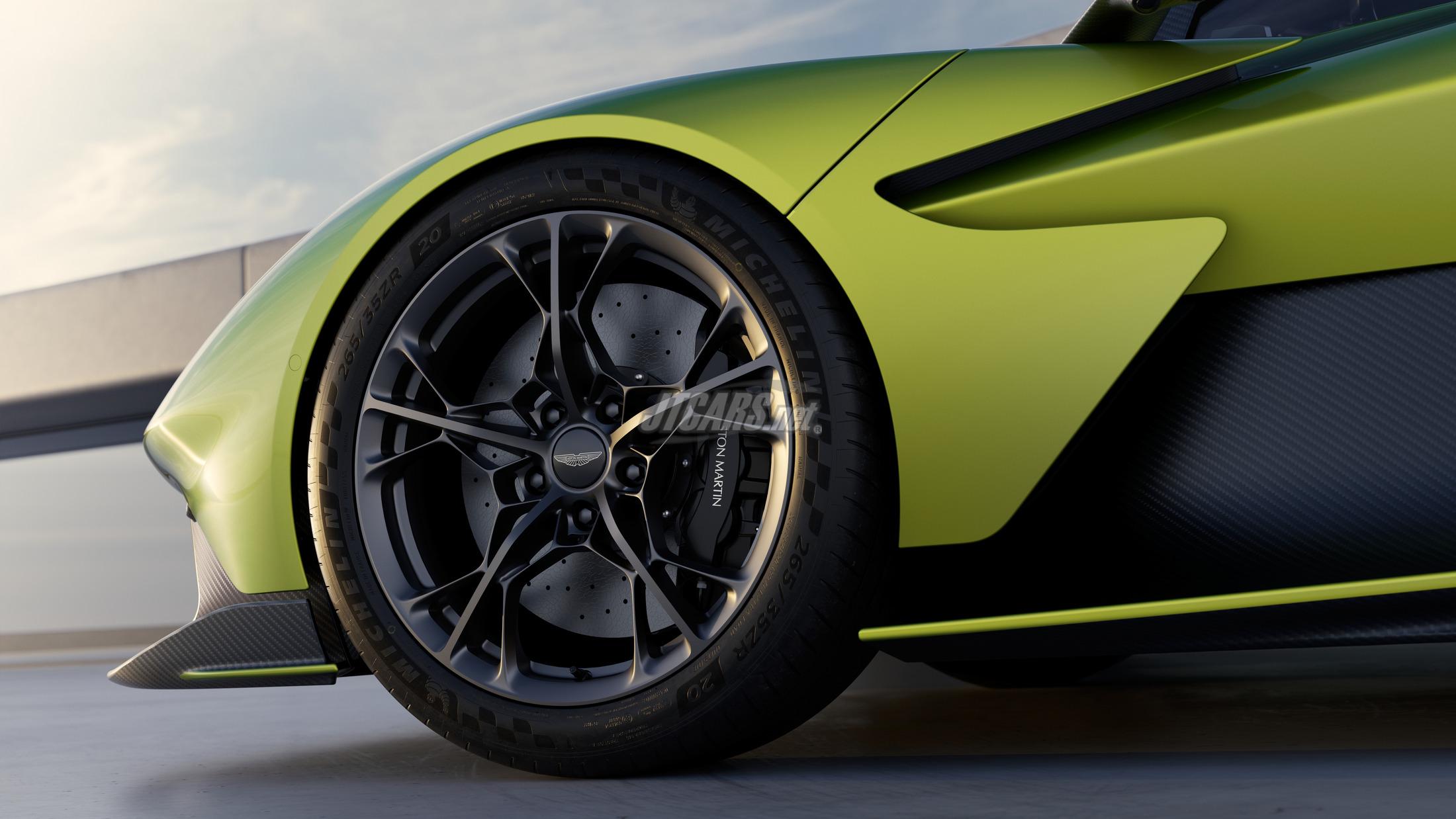
-> Calipers: 6-piston front and 4-piston rear, ventilated for optimized cooling.
-> Cooling: Advanced Computational Fluid Dynamics (CFD) and wind tunnel analysis.
- Airbrake System: Active aerodynamics enhance downforce and braking efficiency during heavy deceleration.
Regenerative Braking
- Energy Recovery:
-> CAT B: Front E-motor activated during braking.
-> CAT A: Rear E-motor engaged when decelerating without brakes.
- Integration: Deceleration actively distributed between friction brakes and electric motors using the IPB system.
- Torque Vectoring: Ensures optimal regenerative torque distribution across the front axle.
Key Innovations
1. Aerodynamic Efficiency: Door vanes direct airflow for cooling and performance.
2. Brake Cooling: Dedicated airflow channels and vented calipers maintain performance under high temperatures.
3. Driver Experience: Focused on precise control, confidence, and linear pedal response.
The Valhalla exemplifies Aston Martin's fusion of luxury, technology, and high-performance engineering. Let me know if you'd like this rewritten or expanded in a different style!
VEHICLE DYNAMICS
The Aston Martin Valhalla redefines dynamic performance with cutting-edge engineering tailored for both road and track dominance, focusing on driver engagement, agility, and precision handling. Central to its remarkable handling is a sophisticated Torque Vectoring system (E-TV), integrated into the vehicle's advanced Integrated Vehicle Dynamics Control (IVC) system.
Key Dynamics Features:
Torque Vectoring (E-TV)
- Independent Front Axle Torque Control: Two electric motors independently manage torque delivery to each front wheel, enhancing agility, stability, and cornering precision.
- Integrated with IVC: Seamlessly combines with the ESP, regenerative braking, E-diff, and powertrain to deliver unparalleled control.
- Driving Modes:
-> ESP-On: Ensures accessibility by stabilizing oversteer and understeer early, enabling drivers to approach limits confidently.
-> ESP-Race: Maximizes lateral performance with increased intervention thresholds, blending agility and control for skilled drivers.
-> ESP-Off: Unlocks full dynamic capability for expert drivers, allowing unrestricted exploration of traction and lateral acceleration.
Electric All-Wheel-Drive Distribution (E-AWDD)
- Distributes torque across the front and rear axles in real time, adapting to road conditions and optimizing grip.
- Uses advanced six-axis inertia measurement sensors to predict and respond to tyre performance limits, delivering a seamless driving experience.
Integration with Regenerative Braking
- Regenerative braking integrates with E-TV and the brake-by-wire system, recovering energy efficiently while maintaining precise control.
E-Diff Collaboration
- Works with the rear-axle electronic differential to ensure balanced torque distribution, enhancing performance during aggressive driving or challenging conditions.
Driver-Focused Performance
Valhalla's system calibrations adapt dynamically to driving styles and scenarios:
- Low-Speed Agility: Enhanced steering response and sharpness in tight corners.
- High-Speed Stability: Focused on smoother, more stable dynamics to inspire confidence.
By blending Formula One®-inspired innovations with precision-engineered dynamics, the Aston Martin Valhalla delivers an exhilarating yet controlled driving experience that truly excels across road and track environments.
ACTIVE AERODYNAMICS
Valhalla’s aerodynamics, inspired by F1® but unrestricted by its rules, use active systems to generate over 600kg of downforce at 240km/h (149mph). The Active Aerodynamics system adjusts front and rear surfaces and underbody airflow to optimize grip, balance, and drag based on driving mode.
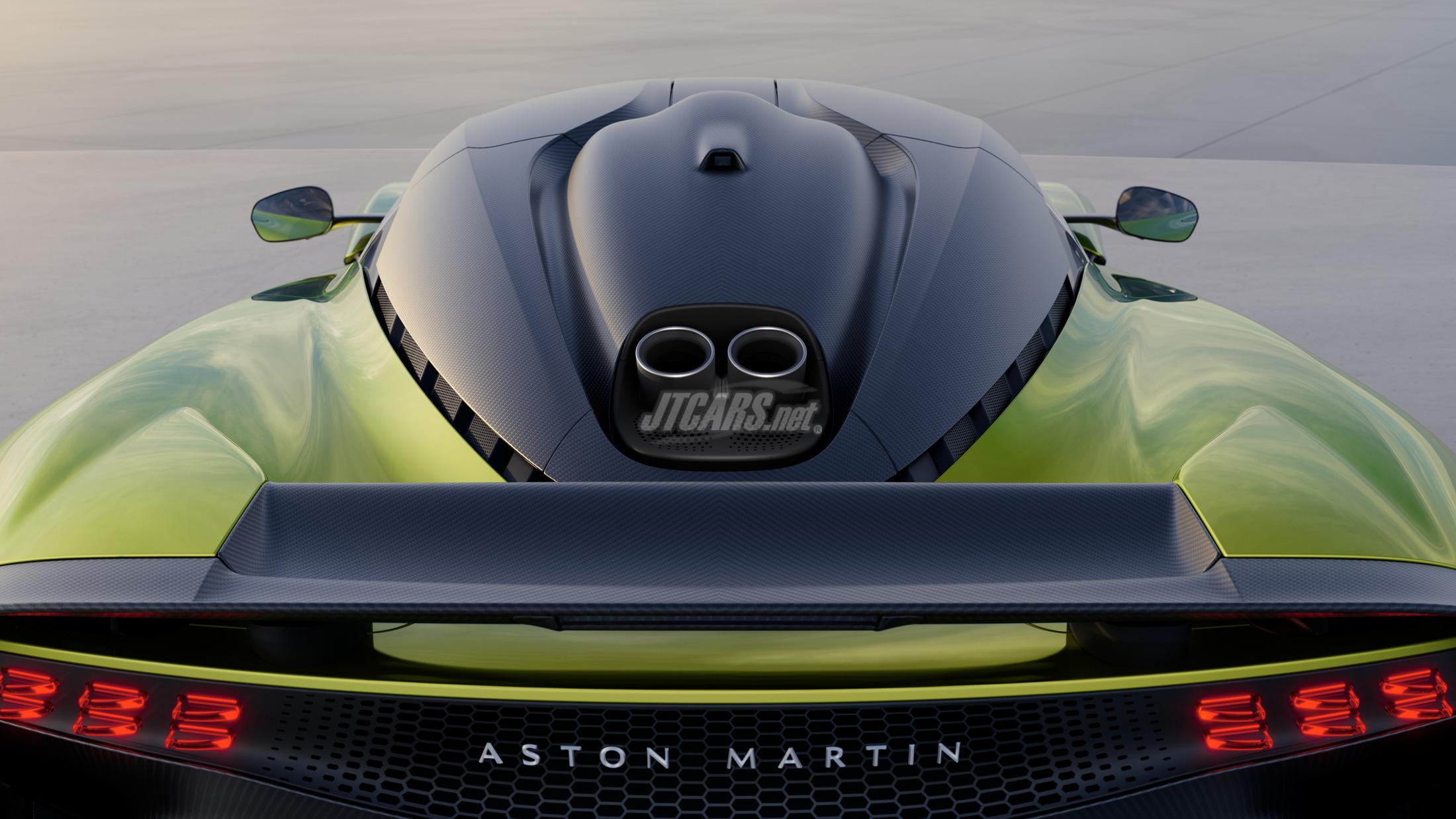
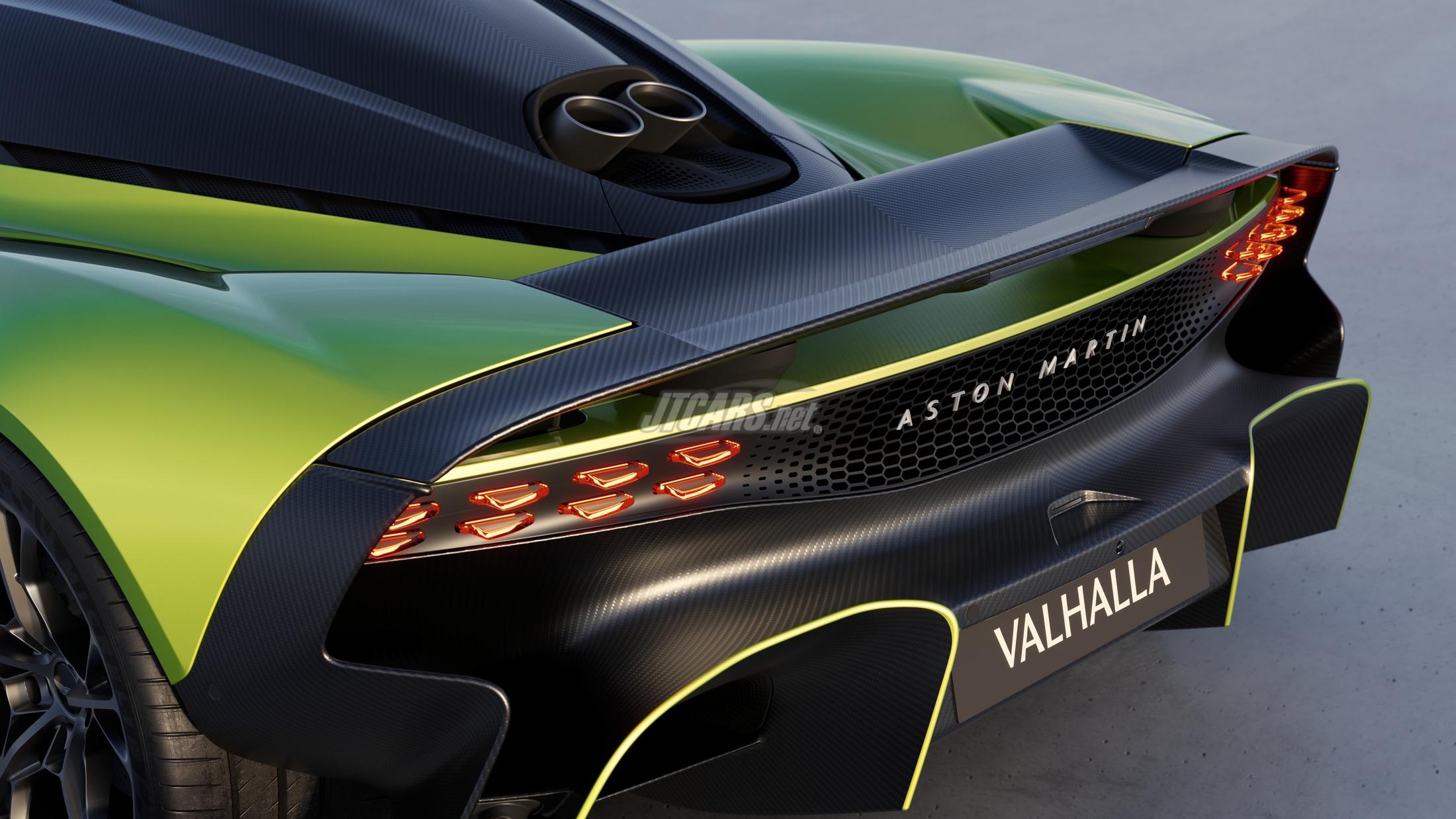
Hydraulic controls manage a unique front wing and multi-element rear wing, enhancing cornering and braking stability. The rear wing deploys in Race mode, rising 255mm to balance the car dynamically, while acting as an air brake during heavy braking.
Valhalla maintains consistent downforce from 240km/h to its 350km/h (217mph) limit, ensuring stability and control at high speeds, enabling drivers to fully exploit its performance.
DESIGN: EXTERIOR
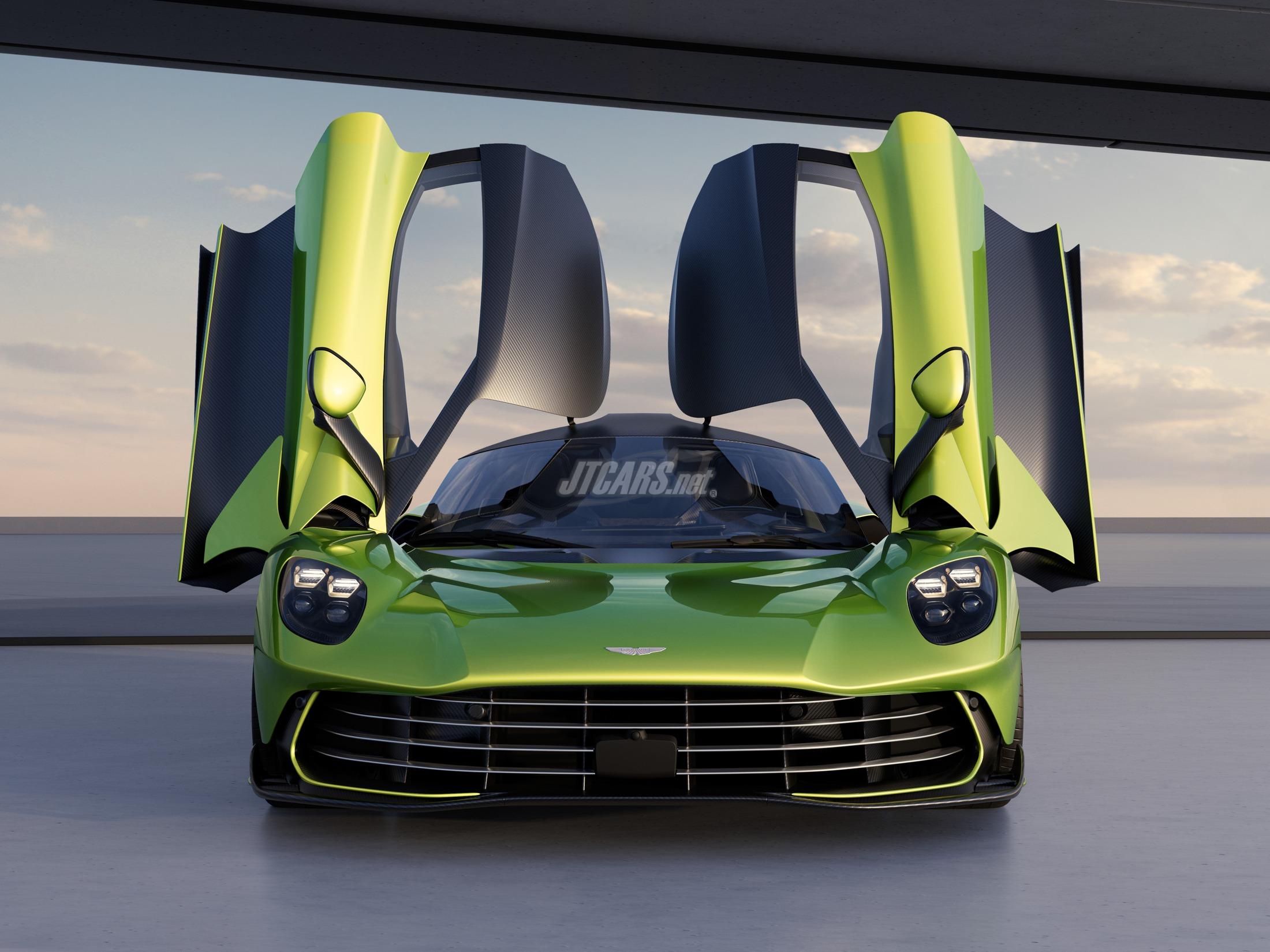
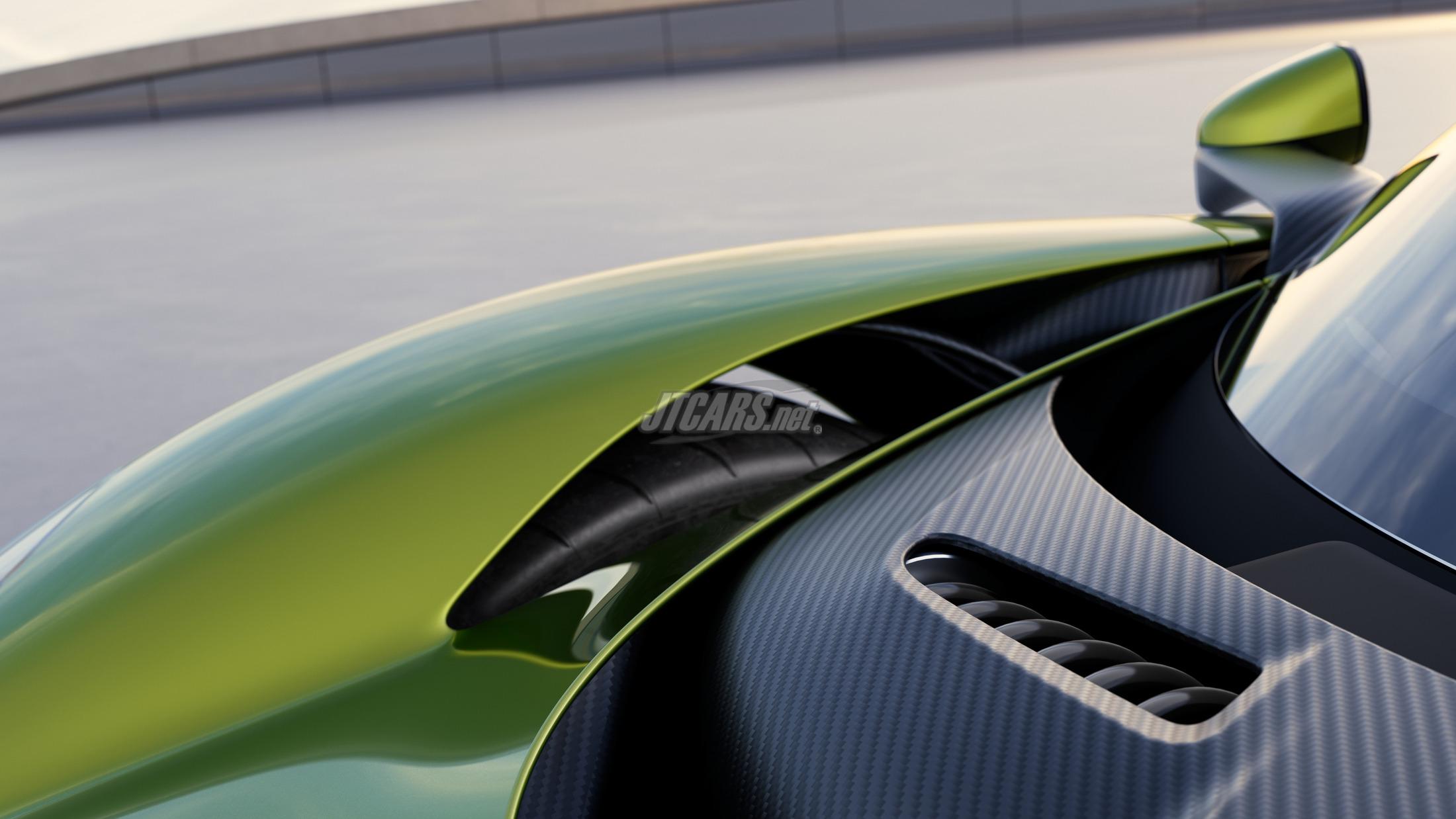
Valhalla's carbon fiber body blends form and function, embodying a new era of performance and beauty. Its forward-hinged dihedral doors not only add supercar drama but also ease entry and exit with a class-leading design. The doors incorporate an innovative turning vane that directs airflow to improve engine and transmission cooling by 50%, keeping the exterior clean without visible scoops.
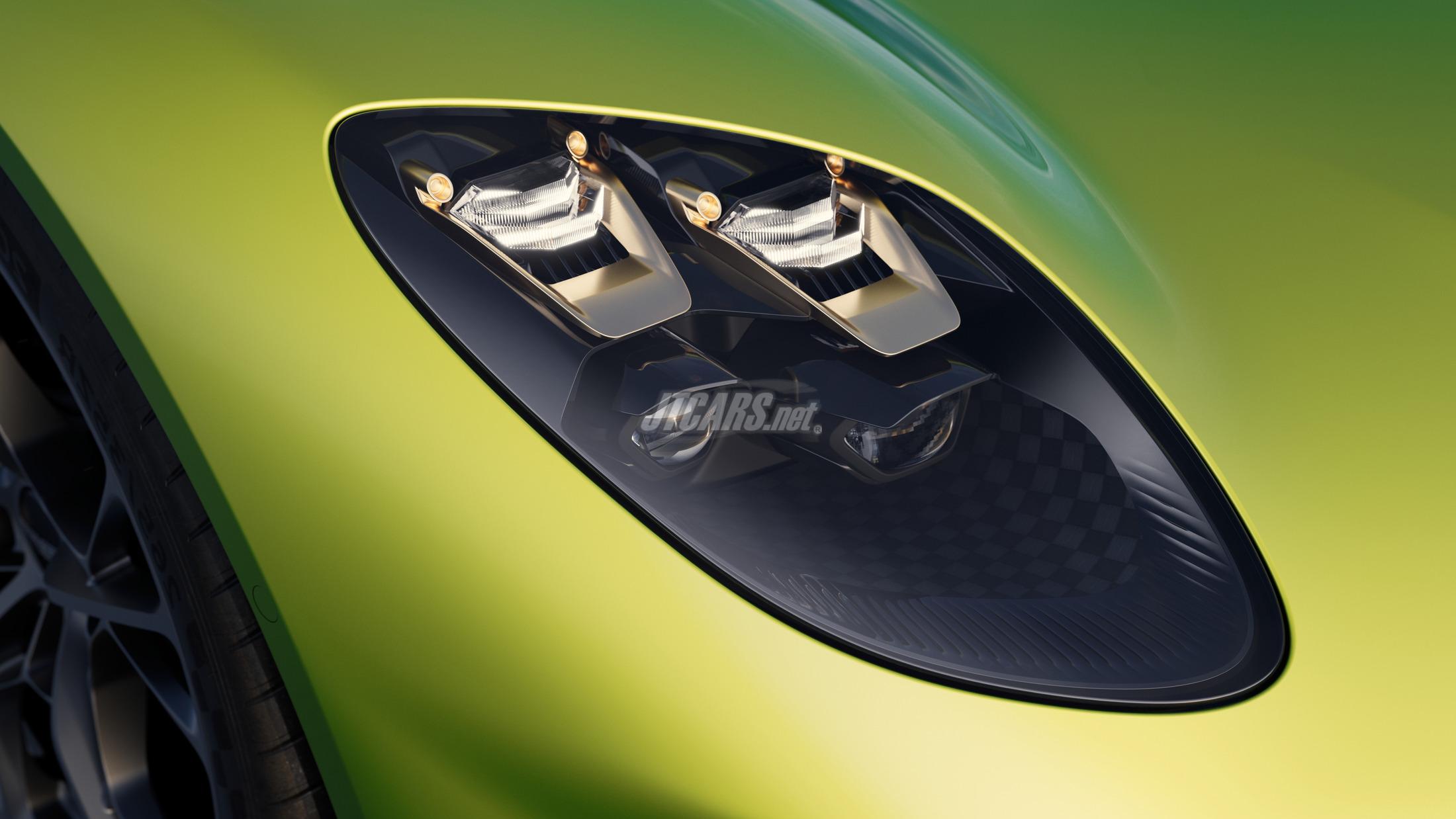
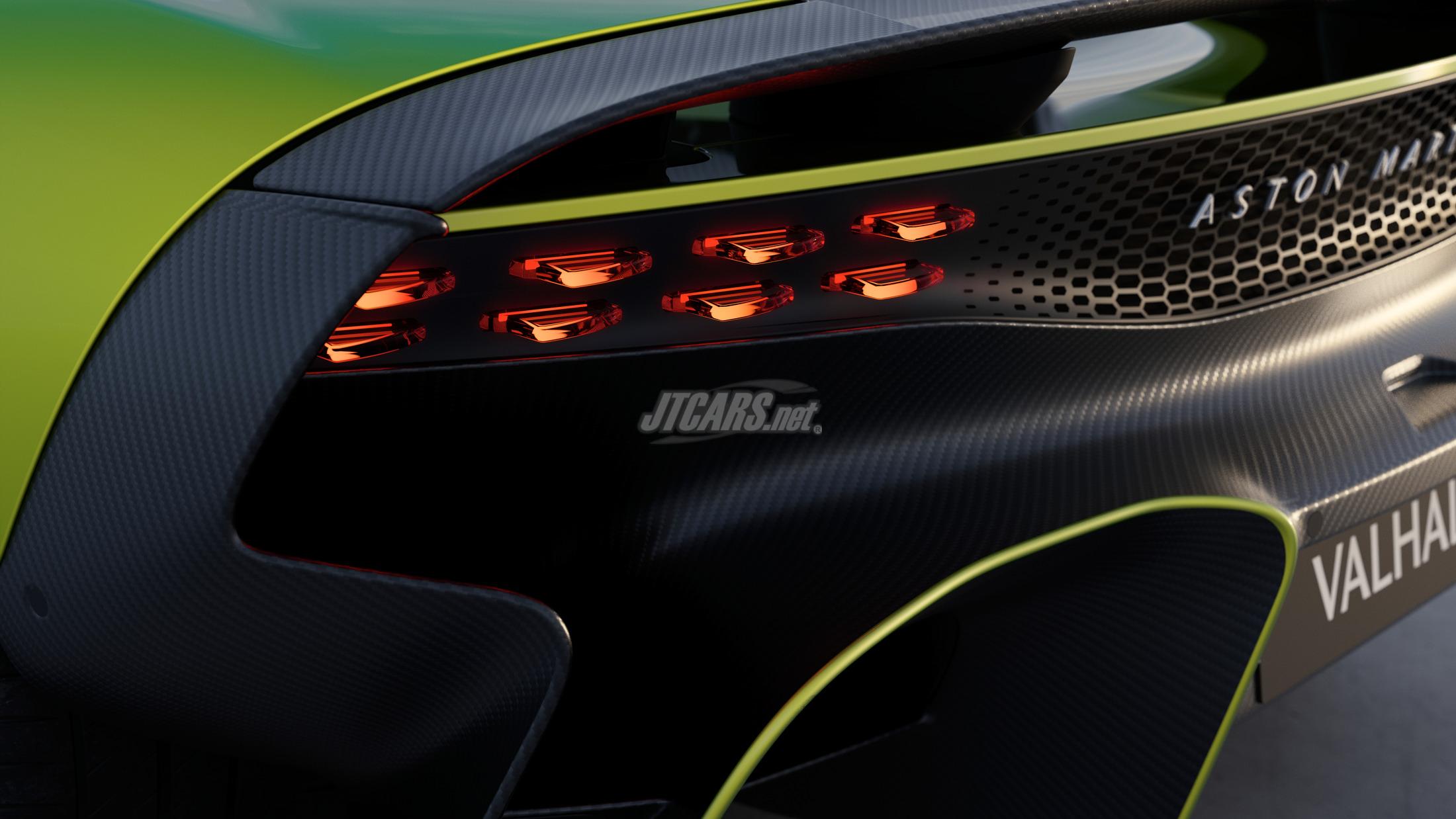
An F1®-inspired roof snorkel channels air to the engine, intercoolers, and cooling ducts, while the quad exhaust system features top-exit and low-mounted tailpipes for optimal sound and performance. Large venturi tunnels at the rear generate downforce, and 3D light blades enhance the design.
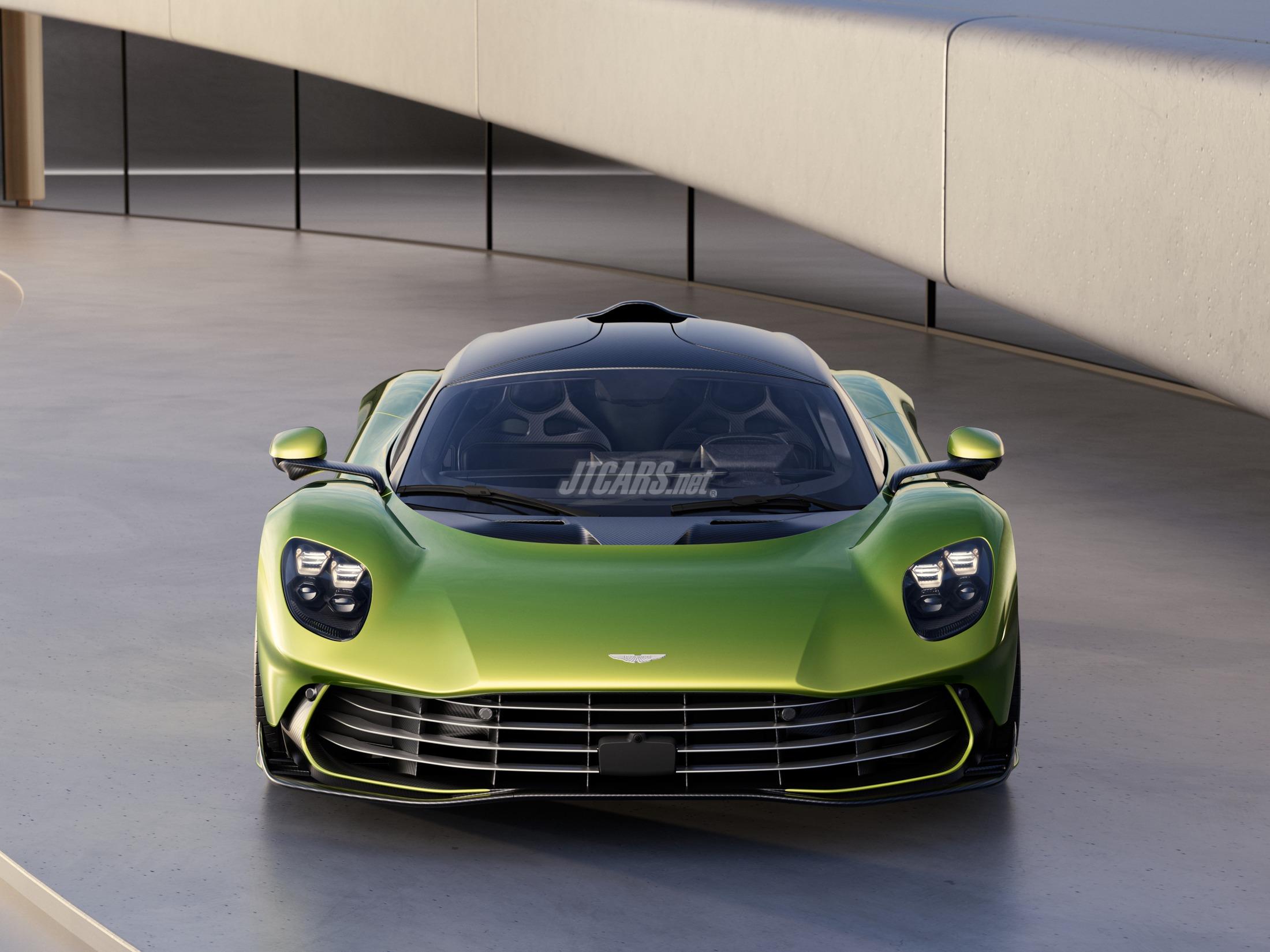
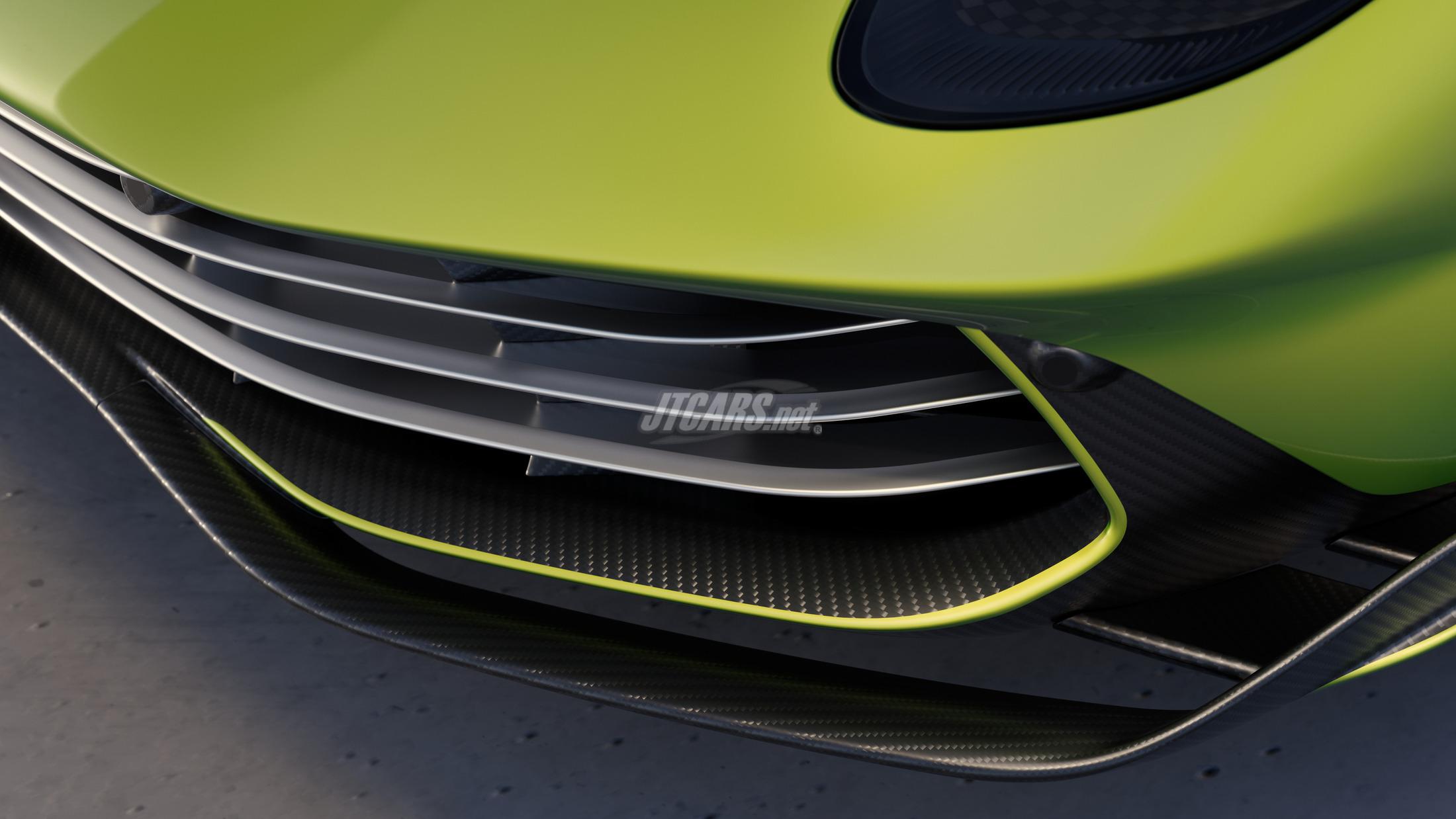
Marek Reichman describes Valhalla as a bold step forward in design, combining beauty and purpose with Aston Martin’s expertise in materials and aerodynamics. The front clamshell assembly has been simplified, reducing weight and improving efficiency.
The carbon fiber body can be painted or exposed, with options for bespoke liveries, and the exterior panels can be finished in gloss or satin lacquer with optional color tints. Wheels are available in forged aluminum or ultra-lightweight magnesium, paired with Michelin Pilot Sport tyres for various performance needs.
DESIGN: INTERIOR
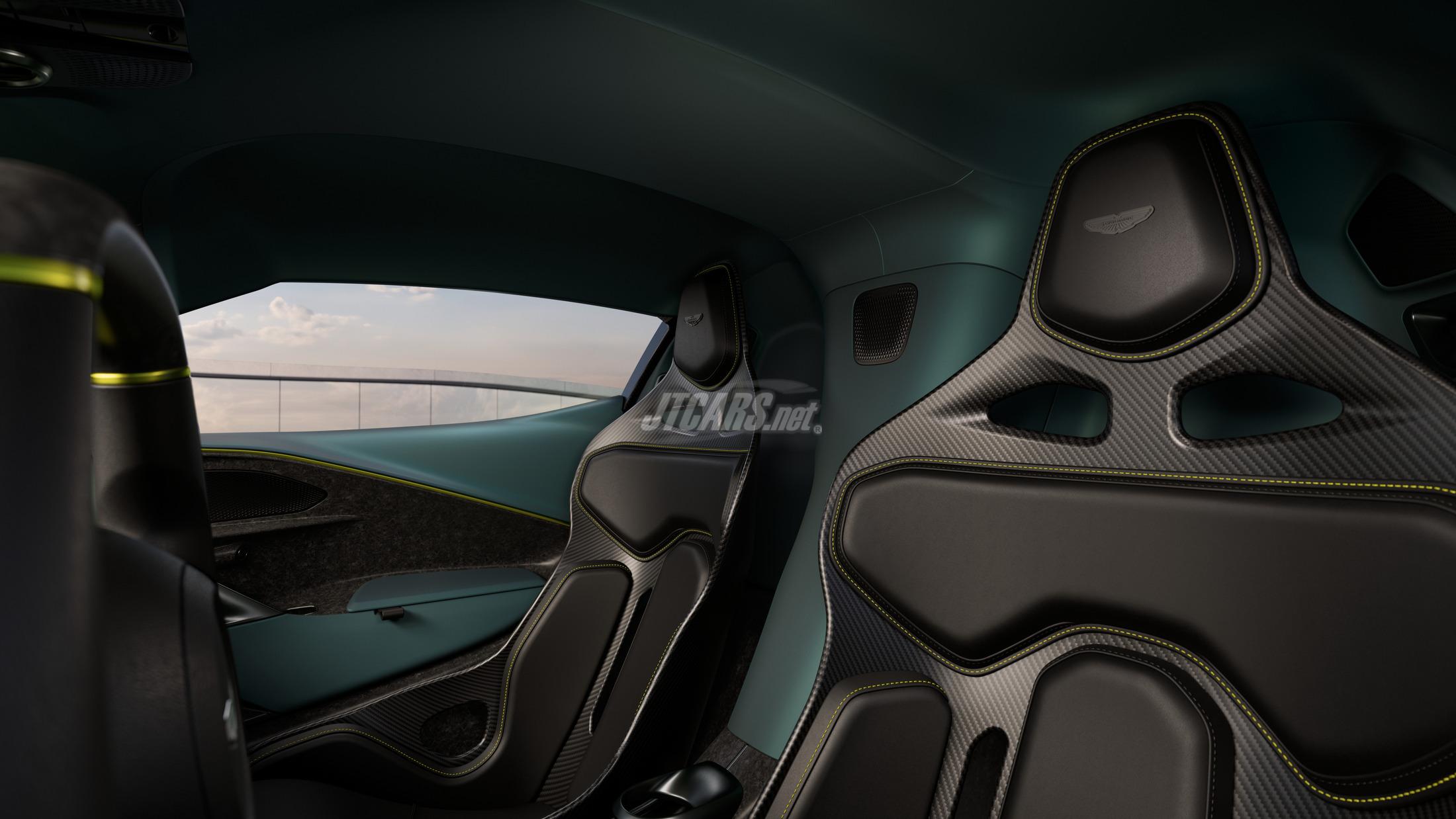
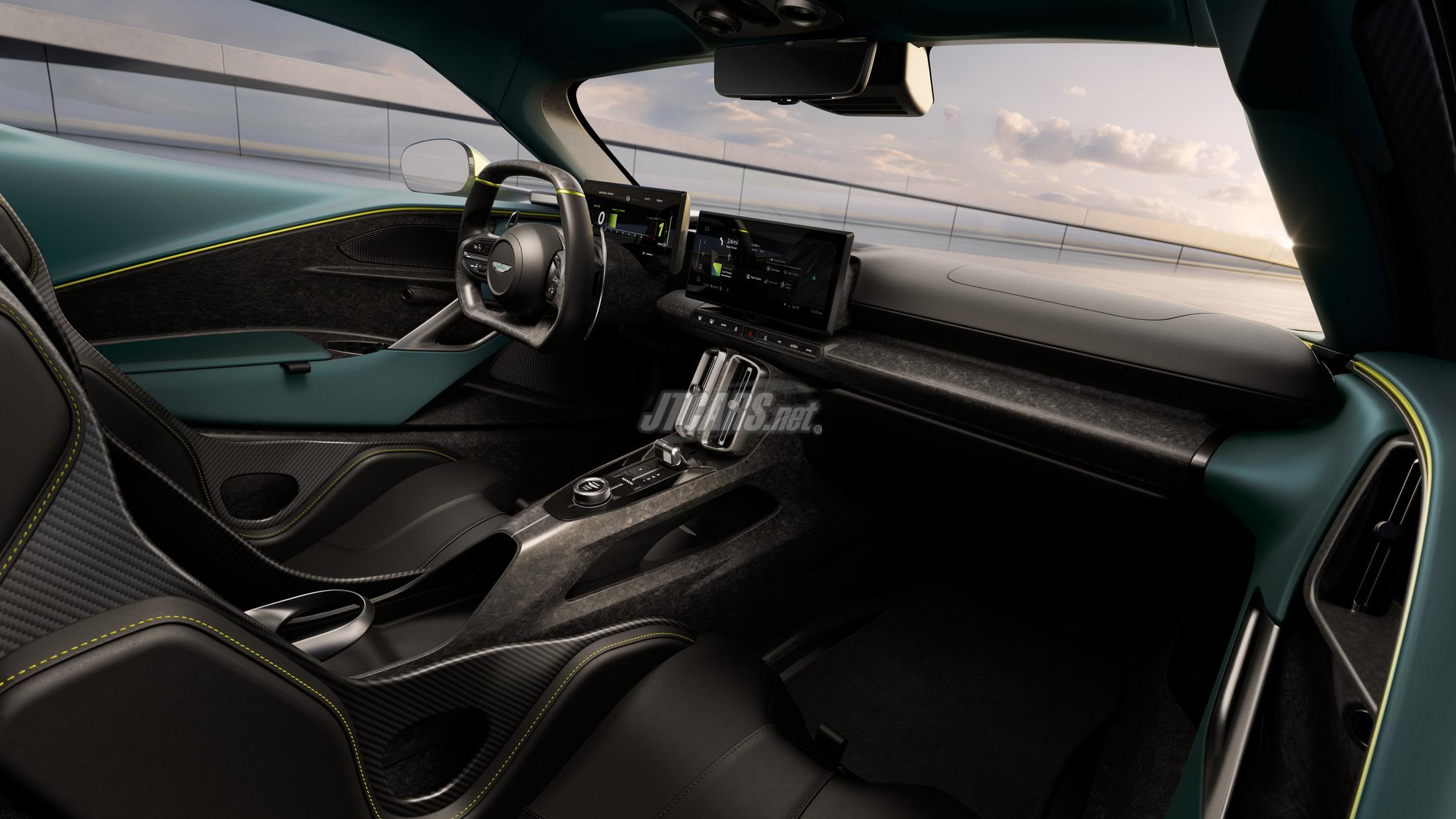
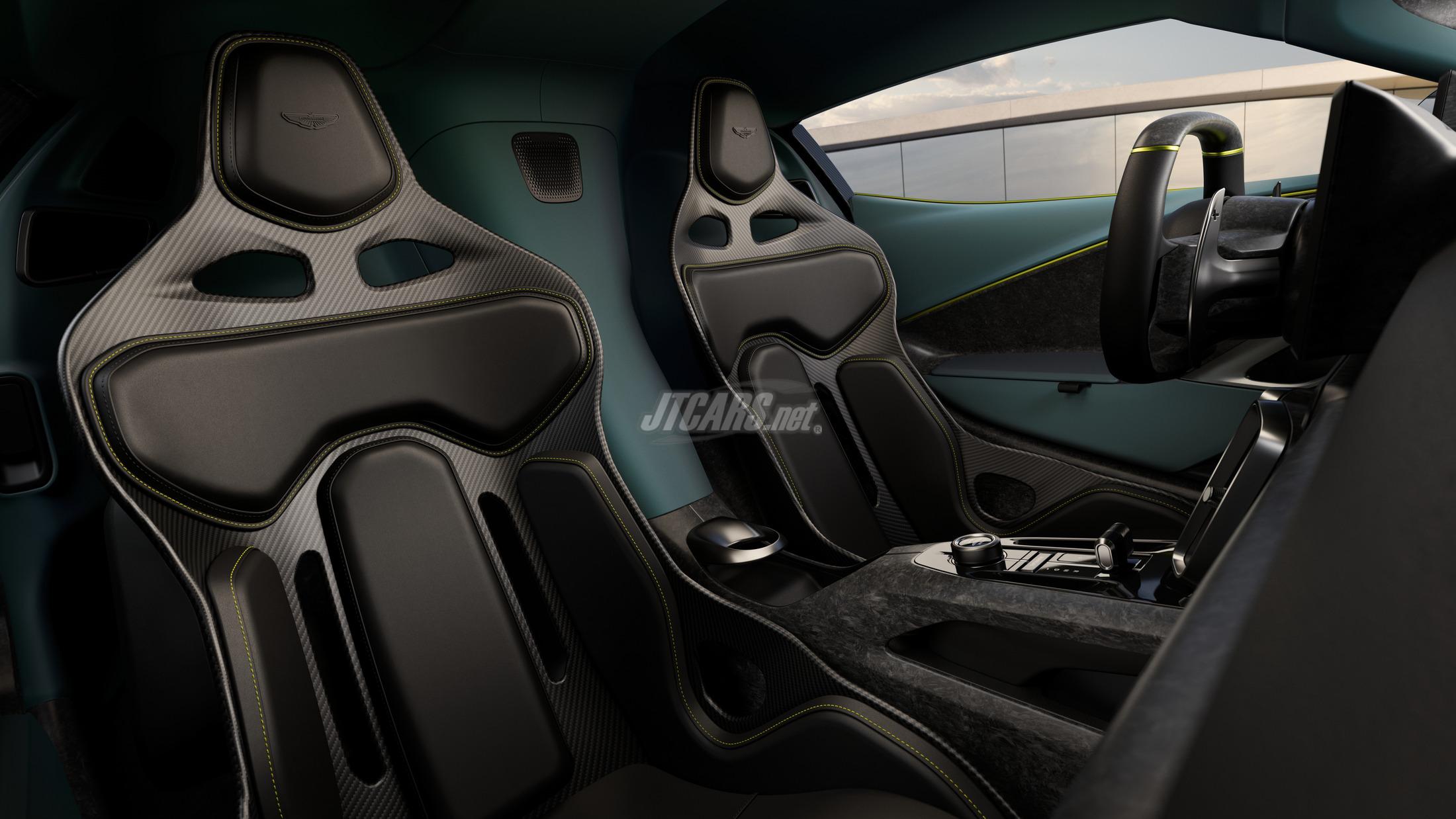
Valhalla’s cockpit is heavily influenced by Formula One® design, featuring a clean, immersive layout. The raised footwells and one-piece carbon fiber seats provide maximum support while enhancing driver connection and comfort. The interior is defined by the Amphitheatre line, which wraps around the cabin, creating a cockpit feel, and a carbon brace supporting the instrument panel.
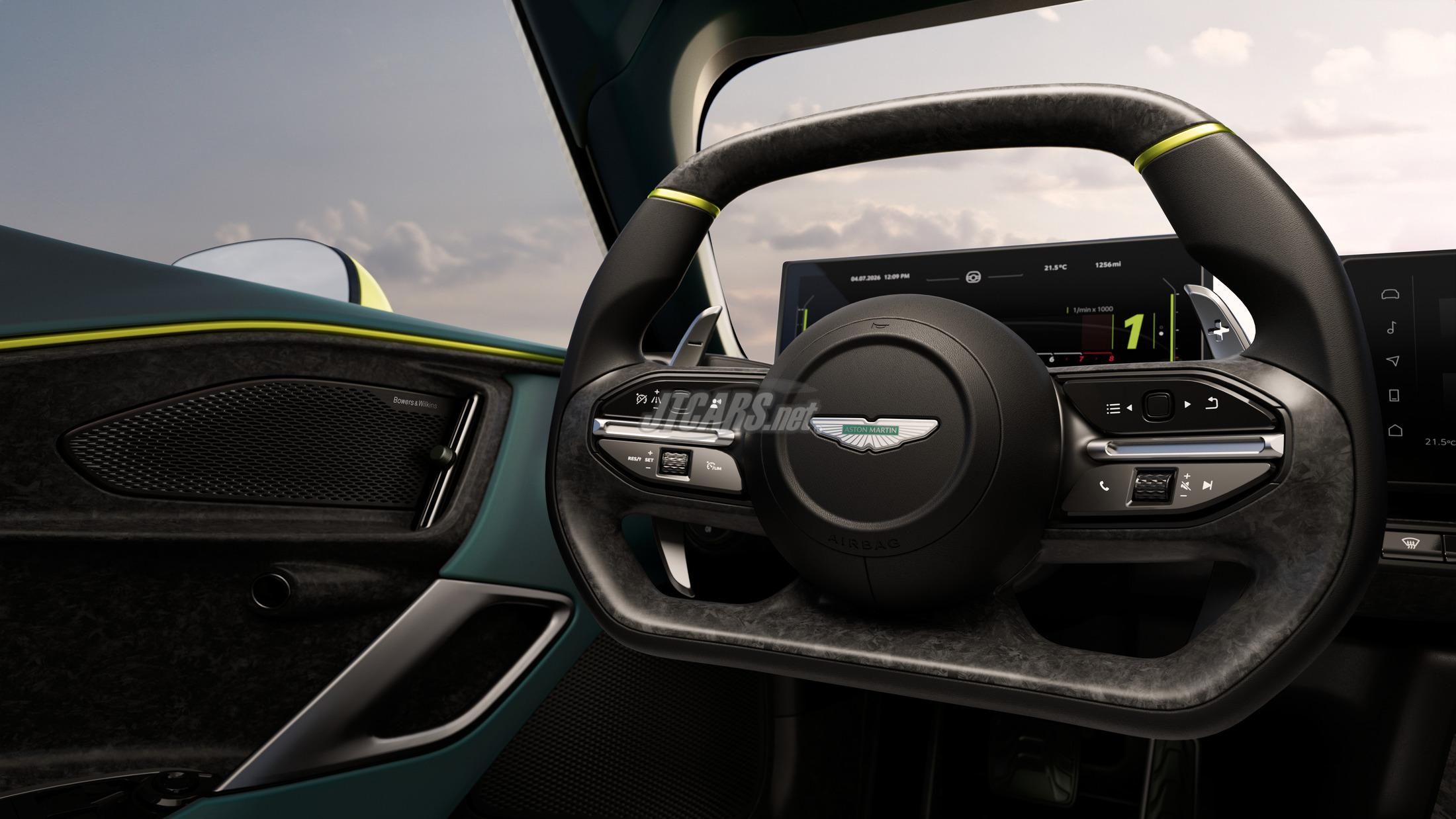
The Aston Martin HMI system offers a driver-focused display with a Race mode layout, including a tachometer and shift lights. The system also features a touchscreen with an EV Powerflow graphic, showing energy regeneration, deployment, and EV range. Selectable ADAS modes allow drivers to adjust intervention levels for different scenarios.
The interior utilizes lightweight, race-inspired materials like recycled, forged carbon fiber, enhancing both performance and luxury. Customers can personalize their Valhalla through Q by Aston Martin, creating a bespoke vehicle tailored to their preferences.
With 999 limited units planned, Valhalla’s production phase begins in H2 2025. For personalization, the new configurator is available at configurator.astonmartin.com.
SOURCE: ASTON MARTIN PRESS RELEASE
TAGS