 WAZE
WAZE
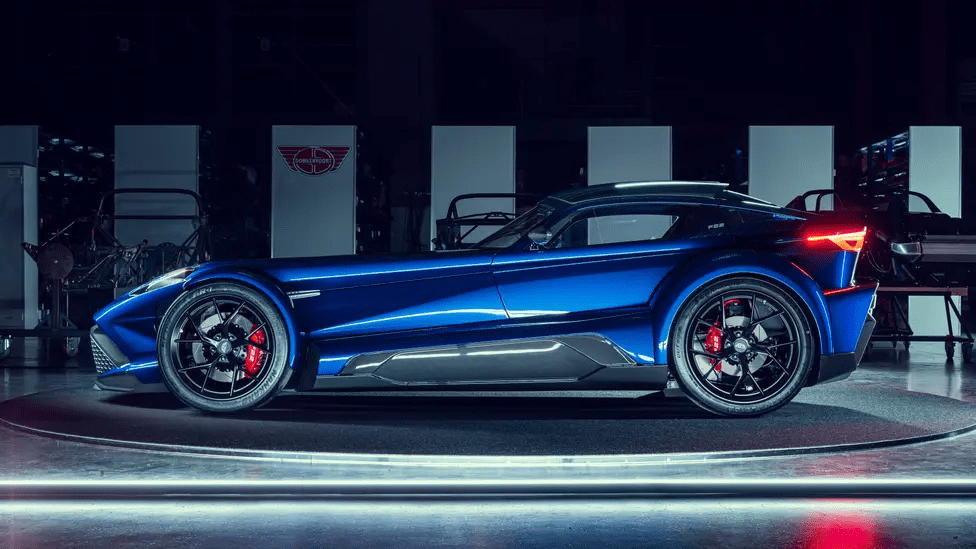

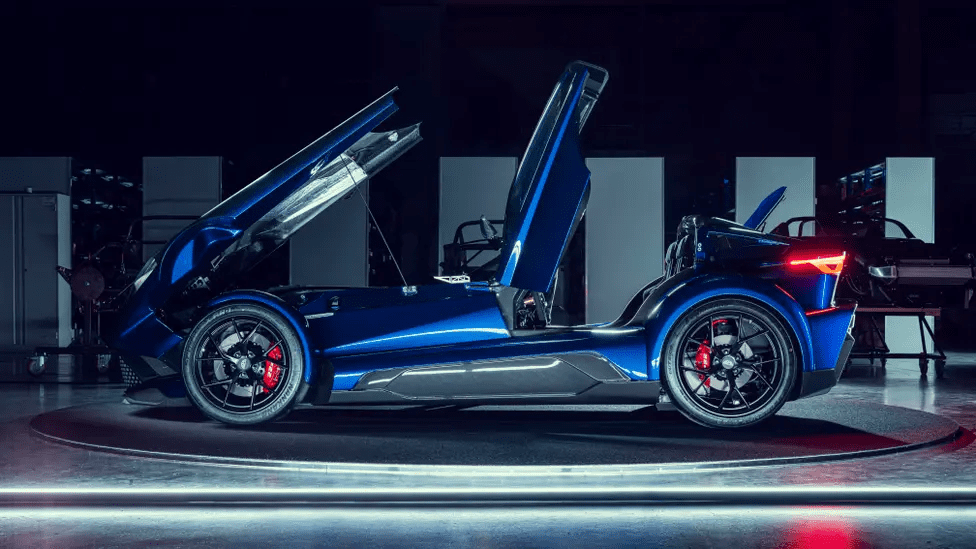


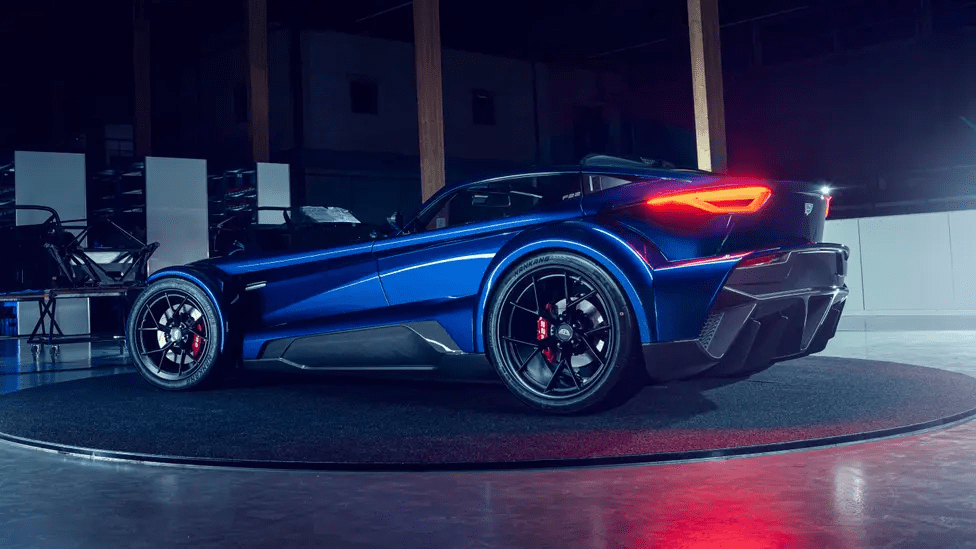
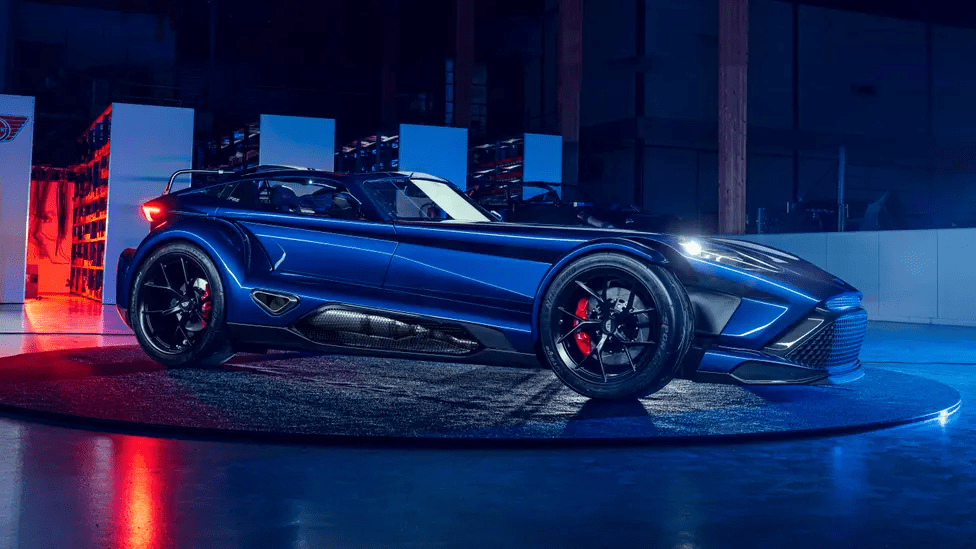

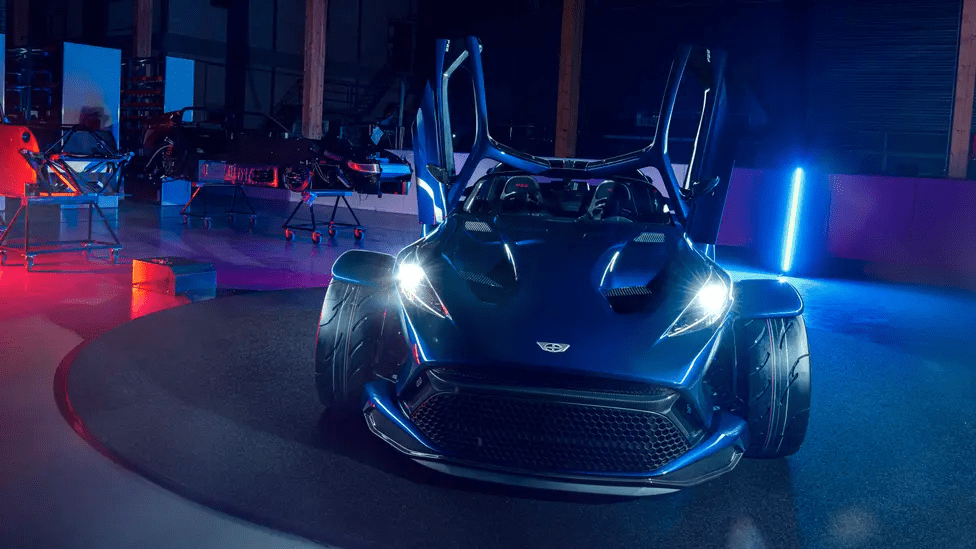

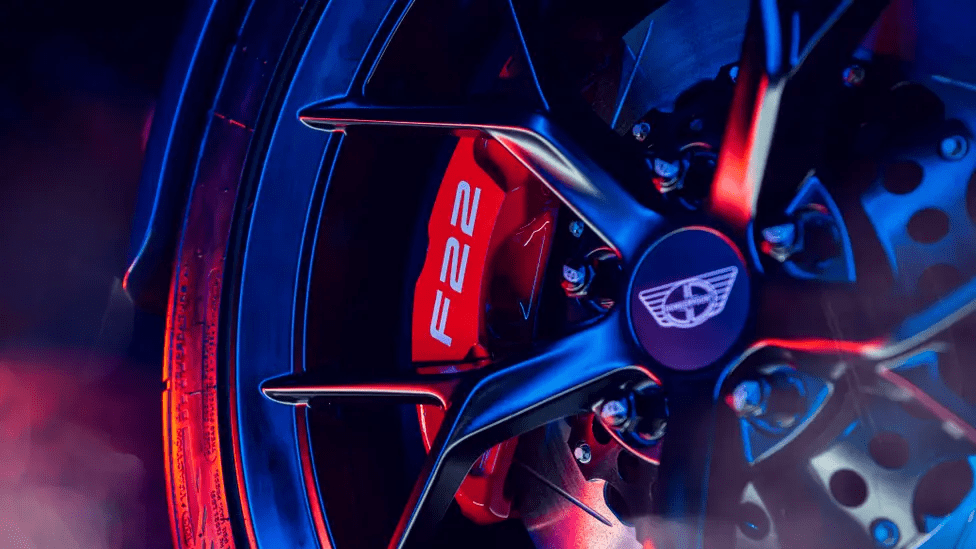
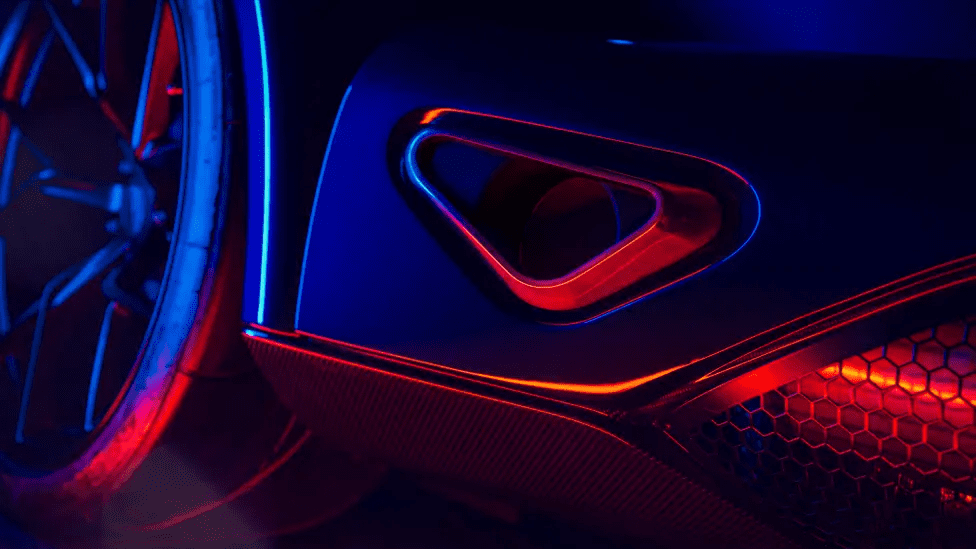
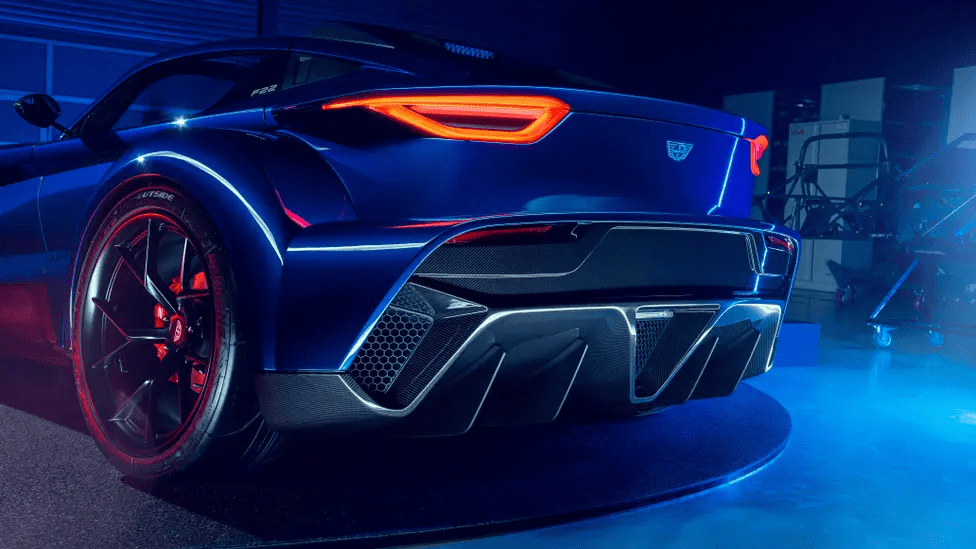
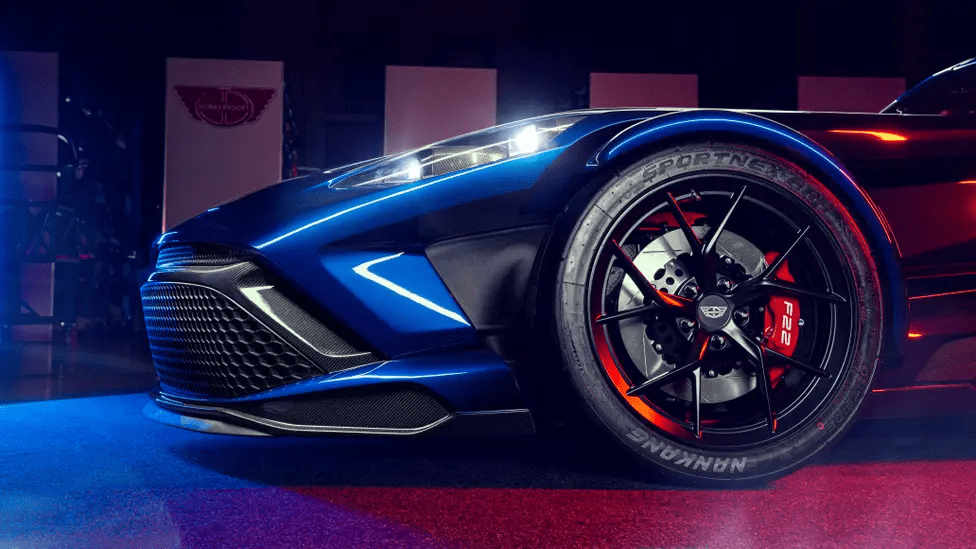
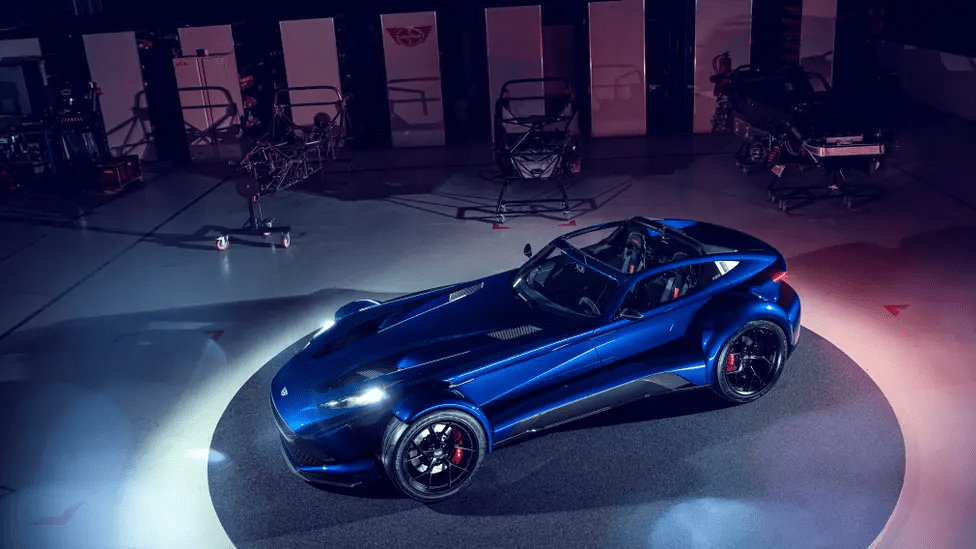
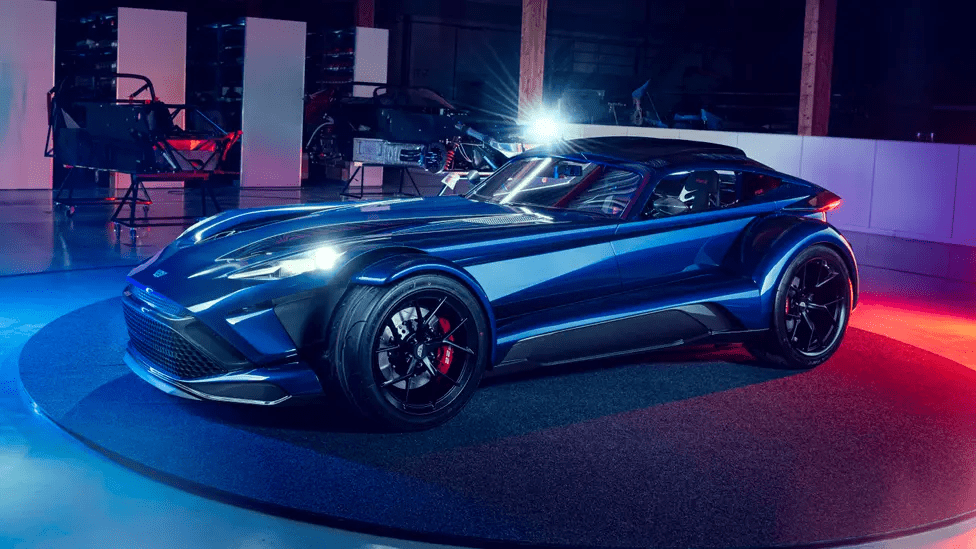














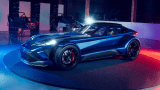

Donkervoort F22 | Shaping the future and carrying the legacy
All-new Donkervoort F22 supercar to weigh 750kg, with 500hp
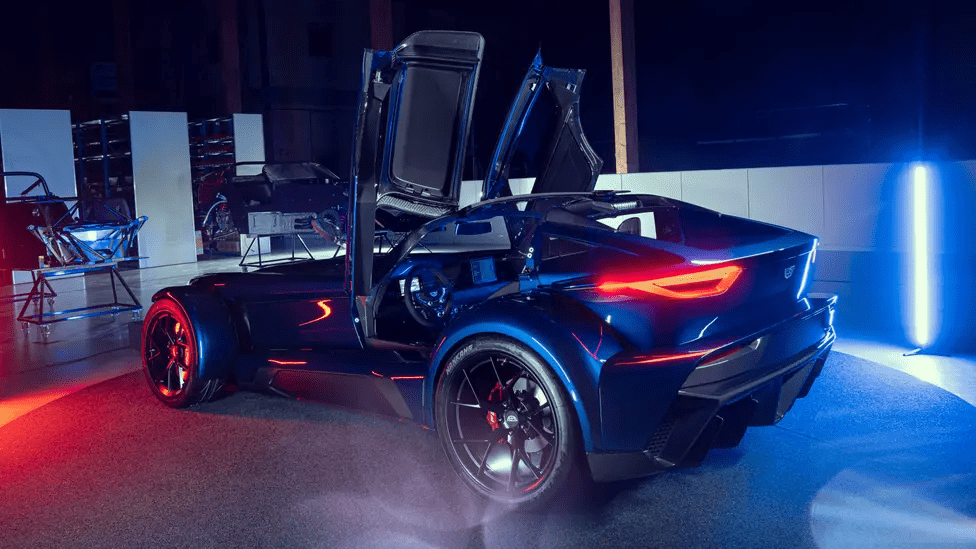
The F22 is larger than its predecessor, with a bigger cabin and removable carbon-fibre Twin Targa roof
The Donkervoort F22 corners with 2.15G of lateral acceleration, with a 30% improvement in braking power
First all-new Donkervoort since Denis Donkervoort took over as Managing Director in January 2021 and will mark the end of the D8 GTO era
Designed entirely in-house by a design team led by Jordi Wiersma and mentored by world-leading designer Amko Leenarts
Based around hybrid tube-steel/Ex-Core carbon-fibre chassis technology, with double the torsional and bending rigidity, Ex-Core is a Donkervoort innovation that has been spun off into its own stand-alone company, and it is used by everything for Formula One, other hypercar brands and even ocean-racing yachts
Not a single nut, bolt or screw is interchangeable with its predecessor
Production run boosted to 75 cars after initial 50-car production sold out from exclusive sketches
More power, faster, larger, but CO2 emissions reduced by 28 grams/km to 163g/km
Deliveries of the Donkervoort F22 will start January 2023
Breaking new grounds
Last year’s generational change at Donkervoort has delivered its first supercar, with the unveiling today of the ultra-lightweight Donkervoort F22.
Under the direction of second-generation Managing Director Denis Donkervoort, the family-owned Dutch boutique brand has created a supercar that breaks new ground in every area, from construction to design.
With 500 horsepower from its five-cylinder turbo motor and weighing just 750kg, the innovative F22 combines stunning design, sheer speed, handling purity and everyday usability while retaining links to Donkervoort’s historic open-wheel layout.
Donkervoort has redefined driving purity by doubling the F22’s torsional and bending rigidity (compared to the outgoing D8 GTO Individual Series), thanks to a hybrid chassis construction of thin-wall steel tube and Ex-Core carbon-fibre chassis construction.
The F22 supercar is capable of hitting 2.15G of lateral acceleration while remaining the lightest road-registered, two-seat supercar in the world.
The Donkervoort F22 became the first Donkervoort to be sold out based on design sketches alone before the car was even seen.
Donkervoort Ambassador program members snapped up the entire planned 50-unit production run, forcing the Donkervoort to extend production to 75 cars.
The F22 is the first new model since Denis Donkervoort took over as the company’s driving force after his father's retirement, Donkervoort Automobielen founder Joop Donkervoort, early in 2021 and marks the end of the D8 GTO era.
An accomplished racer as well as Donkervoort’s Managing Director, Denis Donkervoort’s engineering brief called for even more track pace, greater comfort, ease of use at the limit and more practicality based on a safer, stronger car wrapped up in a revolutionary design.
Determined to show their passion had only grown under new management, the Donkervoort engineering and design departments raised their game to new heights with the F22 program.
“The F22 is the pinnacle of what we know with light-weight engineering, strength, combustion engines and pure speed,” Donkervoort insisted.
“The F22 gives Donkervoort drivers new levels of speed, handling, driving purity, design and practicality, and shows the world where Donkervoort is going in the future.
“It is brimming with Donkervoort innovations, like the Ex-Core carbon-fibre doors and the Twin Targa roof, but it also is the product of extraordinary teamwork at Donkervoort and leverages working relationships we have made over 43 years.
“With the arrival of the Donkervoort F22, no other supercar is worth its weight,” he said.
With 500 horsepower from its five-cylinder turbo motor, the rear-drive F22 delivers an astonishing power-to-weight ratio of 666hp per tonne.
With no speed limiter, the F22 is expected to reach a top speed of around 290km/h.
Yet Donkervoort’s widespread use of innovative materials and a friction-eradication program helped the F22 to achieve a confirmed WLTP CO2 emissions figure of just 163 grams/kg - around 28 grams lower than its predecessor, despite gaining 55kg.
It retains the unrivalled driving intimacy of a pure mechanical driveline, with a rev-matched, five-speed manual gearbox driving the rear wheels through a new limited-slip Torsen differential.
And, in keeping with family tradition, the Donkervoort F22 is named for Denis Donkervoort’s first daughter, Filippa, who was born on May 22, 2022.
Still, the most driver-focused, rear-drive supercar money can buy, the Donkervoort F22s will be sold everywhere from North America to the Middle East and Europe, starting at €245,000 in European markets (including preparation costs, but excluding taxes and on-road costs).
The initial sold-out response to the first batch of F22s also prompted Donkervoort to open up its interest-registration program for both the F22’s successors as well as the remaining F22 allocations.
All in the family
The F22 is named after Filippa, born this year as the first child of Donkervoort Managing Director Denis Donkervoort.
The Donkervoort S8A and the S8AT were both named for Amber Donkervoort, the daughter of Donkervoort founder Joop Donkervoort.
The “D” from the D10 lineage onwards came from Denis Donkervoort, now Donkervoort’s Managing Director.
Donkervoort was founded by Joop Donkervoort in 1978, and it is still owned by the Donkervoort family.
TAGS